How To Add Storage Without Adding More Square Footage
June 21, 2026
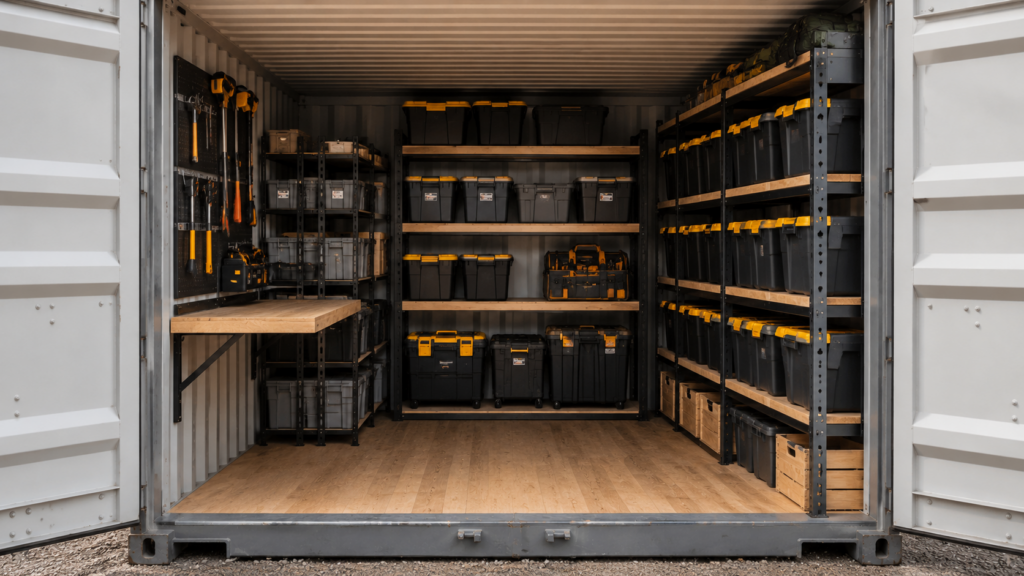
Millions of people are running out of room in their homes – not because their living spaces are too small, but because they’re not using the space they have as efficiently as they could. Whether you live in a small apartment or a larger house, clutter accumulates over time and the desire to “just add more space” can lead to expensive renovations or even unnecessary property upgrades. The good news is that with the right strategies and tools – including flexible storage solutions – you can dramatically increase your functional storage capacity without breaking ground on a single extension.
Re-imagine the Space You Have Today
Before you buy a single shelf or storage bin, take a good look at what space you have now. Most houses contain several spaces that are not used, but with a little imagination, these can be transformed into useful storage areas.
Look up. Always one of the common problems is the tendency to forget about vertical space on the walls and focus on storage at the floor level. If you have floor-to-ceiling shelving units in your living room, bedroom, hallway or home office, you can instantly multiply your usable storage without taking up any additional square footage. High shelves are particularly useful for storing seasonal items, appliances used only occasionally, or archival documents that aren’t needed on a daily basis.
Don’t forget about the dead spaces in your home either. That awkward corner behind a door, the narrow space between the refrigerator and the wall, the area under the stairs, or the space under your bed. Custom or modular storage systems designed to fit into these small spaces can turn unused areas into organized compartments that can hold much more than you might think.
Vertical Is Best In All Rooms
The principle of vertical storage deserves its own separate focus, as it applies to virtually every room in a home, often with dramatic results.
Keep cooking tools and spices within reach – without sacrificing drawer space – with open shelving above countertops or mounted magnetic strips on backsplash tiles in the kitchen. You can eliminate entire rows of cabinets that once held large cookware by hanging pot racks.
Bedrooms – for adults or children – have lofted bedframes that lift the bed and create a totally usable area underneath. Depending on the height of the ceiling and your needs this room can be used for a desk, a wardrobe, a reading nook or just some drawer storage.
Garages are likely the most underutilized storage spaces in any home. You can store all of your tools, seasonal equipment, sports gear and gardening supplies on wall-mounted pegboards, overhead ceiling racks and tall shelving units along the walls of your garage – freeing up space on the floor for vehicles.
Choose Multi-Functional Furniture
Dual purpose furniture is one of the best investments you can make as a homeowner or a renter. Ottoman benches with hidden storage, bed bases with built-in drawers, dining tables with shelving bases and sofas with pockets beneath the cushions all provide storage without taking up any additional floor space.
Murphy beds or wall beds are great for studio apartments or guest rooms. They fold down flat against the wall, thereby opening up an entire living space that would otherwise be dominated by a permanent bed frame. Some designs even come with shelving or a fold-out desk for added functionality.
Another good example are the built-in window seats with lift top lids. They are a nice place to read or relax and have a surprisingly spacious inside compartment perfect for blankets, board games or off-season clothes.
Make The Best Of Your Closet
Most regular closets (reach in or walk in) will be made with a hanging rod and maybe one shelf over that. This is just the tip of the iceberg of what a closet can really hold.
Adding a double hanging rod doubles the space for shorter items like shirts, jackets and folded pants. Make use of pull out drawers or tiered shoe racks to maximize floor space beneath hanging items. Over-the-door organizers with pockets or hooks offer bonus real estate for accessories, cleaning supplies or pantry overflow.
Total MakeoverConsider a complete remodel using modular closet systems in walk-in closets. You can find these at any home improvement store. These systems can segment the space into designated zones for different types of clothing, accessories and personal items, turning a cluttered walk-in into an efficient, user-friendly storage hub.
Use external storage wisely.
Sometimes the truth is that a house just can’t contain all of the owner’s stuff. This is particularly true if you run a home based business, collect larger items or store seasonal equipment such as boats, ATVs or holiday decorations. In these cases external storage is a cheap and convenient alternative to extending a property.
Portable storage containers are a flexible, weather-resistant option that doesn’t require any permanent construction. These containers can be placed on a driveway or other accessible outdoor space. If you require, we can load them at your own pace, keep them on-site for quick access, or move them off-site to a secure storage facility. An on-site container keeps your belongings close to home without sacrificing interior space you’d have with a typical storage unit across town.
It’s popular with homeowners undertaking renovations, families moving from one house to another, or small business owners needing secure, accessible storage for inventory and equipment without the commitment of leasing commercial space.
If you’re thinking of an external storage solution, it’s also good to know what to look for before buying a used container. From structural integrity to long-term durability, here are the major factors to consider: Check this before buying used shipping containers: https://resident.com/resource-guide/2026/03/26/what-to-check-before-buying-used-shipping-containers
Declutter before organizing
Even the best organizational system isn’t going to help you if it’s filled with things you don’t need to keep. Before you try any of the above strategies, take time for the intentional decluttering process.
Go room by room and make piles: keep, donate, sell, toss. Be honest about what things you actually use and what things are just taking up space out of habit or sentiment. Many physical objects now have digital equivalents: scanned documents instead of paper files, digital photographs instead of printed albums, e-books instead of huge shelves of books you’ve already read.
Once you have reduced the number of items that need to be stored the space that you have available is much more manageable and the organizational solutions that you implement will be far more effective.
Smart storage is a matter of systems, not space
But really it’s about changing the mindset to allow for efficient storage at home. Instead, think of storage not as a problem to be solved with physical expansion but as a system that includes smart spatial design, intentional furniture selection, vertical optimization, and honest editing of your stuff.
The strategies detailed here – maximizing vertical wall space, buying dual-purpose furniture, reconfiguring closet spaces, using outside containers and eliminating excess – amount to substantially more storage space without changing the footprint of your property in any way.
If you’re in a city studio or a suburban family home, the space you need is likely already there. It just needs to be discovered, organized and used with purpose.
Creating a healthier living environment at home
May 7, 2026
Why a healthy home matters
A healthy living environment has a direct impact on how you feel every day. Your home is the place where you rest, recharge and spend a large part of your time. When the air feels fresh, the space is clean and everything functions as it should, it becomes much easier to relax. Small issues in the home can quietly affect comfort, energy levels and even overall wellbeing without being immediately noticeable.
Fresh air as a foundation
Good ventilation is one of the most important elements of a healthy home. Fresh air helps remove moisture, odours and pollutants that naturally build up indoors. Opening windows regularly, using ventilation systems correctly and allowing air to circulate prevents spaces from feeling stuffy. Rooms like bathrooms, kitchens and bedrooms benefit most from consistent airflow.
Keeping moisture under control
Excess moisture is a common problem in many homes and often goes unnoticed at first. It can come from cooking, showering or even drying laundry indoors. Over time, high humidity can lead to discomfort and damage to walls and furniture. Managing moisture through ventilation, heating and mindful habits helps keep the indoor climate balanced and pleasant.
Clean surfaces without overdoing it
A clean home feels healthier, but that does not mean everything needs to be disinfected constantly. Regular cleaning of frequently used surfaces, floors and textiles is usually enough to maintain a fresh environment. Using the right products for specific tasks prevents unnecessary effort and keeps materials in good condition longer.
Dealing with common wall issues
Walls play a bigger role in indoor comfort than many people realise. When moisture lingers, it can create conditions that affect both appearance and air quality. Knowing how to get rid of mold on walls is an important part of maintaining a healthy home, especially in areas where condensation is common. Addressing the cause as well as the visible problem helps prevent it from returning and keeps the space feeling fresh.
Light and space for better wellbeing
Natural light contributes significantly to how a home feels. Bright spaces often feel cleaner, more open and more energising. Keeping windows clear, choosing lighter colours and using mirrors strategically can help maximise available light. Even small changes in lighting can make a room feel more inviting and comfortable.
Choosing materials that support comfort
Furniture, flooring and fabrics influence both the look and feel of a home. Breathable materials, easy to clean surfaces and durable finishes support a healthier living environment. Soft furnishings like curtains and cushions add warmth, but they also benefit from regular airing and cleaning to keep them fresh.
Everyday habits that make a difference
Healthy homes are not just about design or products, but also about daily habits. Simple actions like wiping down wet surfaces, letting rooms air out and keeping clutter under control contribute to a better indoor environment. These habits require little effort but have a lasting effect on comfort and cleanliness.
Creating balance in your living space
A healthier living environment is about balance rather than perfection. It is created through fresh air, manageable routines and attention to small details. When a home feels comfortable, clean and calm, it naturally becomes a place where you feel better spending time.
Garage Organization Ideas That Actually Work for Busy Households
May 5, 2026

Alt: A Modern Garage
Your garage can easily become cluttered, especially if you have a busy household. It could initially be a few boxes, then it’s filled with tools and things no longer in use. Before you realize it, the space could end up as a dumping ground. The mess keeps growing because you don’t have enough time to sort it all out. However, proper garage organization ideas can create a simple, practical system that’s easy to maintain regardless of your busy schedule.
Why Garage Organization Fails in Busy Households
Organizing your garage often fails because the systems are too complicated to maintain. While it may look good at first, it quickly becomes difficult to keep organized. A lack of clear storage zones is another common issue. Items end up wherever there’s space if you don’t have a defined place for them.
Things begin to pile up again when you include your busy schedules and irregular decluttering. You don’t need to start over every time; instead, focus on simple, practical systems that are easy to follow and maintain daily.
Start With a Quick Decluttering Strategy
Clearing the clutter is a necessity before organizing anything, and keeping it quick is crucial. Perfection shouldn’t be your aim. Instead, focus on making quick decisions to enable early progress. The “keep, donate, discard” method is a simple way to do this. Arrange items into these three groups and move on without overthinking.
Be sure to organize your garage into smaller sections instead of tackling the entire space at once. This avoids burnout and keeps the task manageable. During the process, use wire baskets to hold loose items. Once you’re done decluttering, it becomes easier to organize and maintain the rest.
Create Functional Zones for Everyday Use
The next step is to create a clear space for everything after decluttering. At this point, functional zones become important. Assemble tools in one area, sports gear in another, and cleaning supplies in a different space. A simple setup like this makes it quicker and easier to find and return items.
Create a small “grab-and-go” zone near the entrance for everyday items, like bags or cleaning supplies. Keep items you use constantly where you can easily access them, and store the rest further away.
Use Vertical Storage to Maximize Space
Once you’ve set up your zones, maximize your space by using vertical storage. Move storage up onto the walls, rather than letting items occupy the floor space. Installing simple shelves or cabinets is a better way to hold tools, boxes, and supplies.
Use hooks, pegboards, or track systems to keep awkward items like bikes or garden tools off the ground and easily accessible. Also, use overhead storage for bulky or seasonal items you don’t use daily. Keeping your floor clear creates a more spacious feel and makes moving around and parking easier.
Smart Storage Solutions That Save Time
You’ve set up your space, but to make daily use as easy as possible, it’s important to make smart storage choices. Use clear, labeled bins so you can see the content without opening everything. Frequently used items should remain on open shelves so they are always easily accessible. Magnetic strips and compact organizers will help keep smaller tools visible and in place.
Options like storage units offer flexible solutions, should you require extra room beyond your garage. They provide several amenities designed to handle seasonal items and large vehicles, and their services include secure access and easy drive-up convenience.
Endnote
The best system is one you can manage properly. Simple, easily accessible storage is always more efficient than complex alternatives. Choose what suits your daily routine. Build around where you drop things, what you use most, and how often you need access.
Don’t aim for complete perfection at once. Small, constant changes over time will keep your garage organized and easy to manage.