Seasonal Living: How to Rotate Your Belongings Without Cluttering Your Home
May 5, 2026
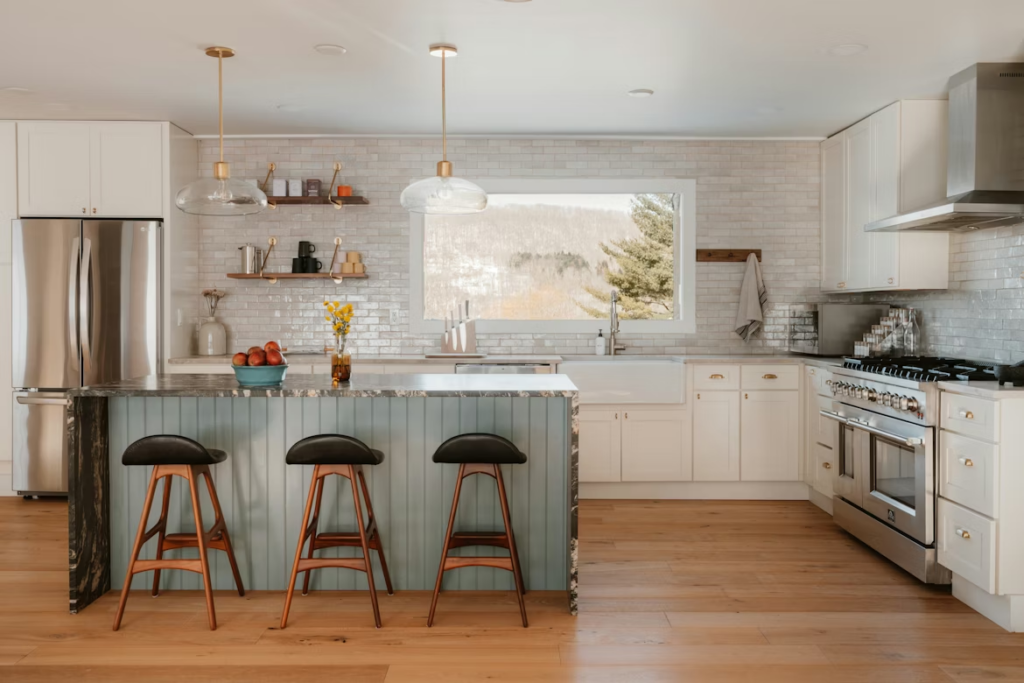
Photo courtesy of Unsplash
If your home always feels a little too full, the problem might not be how much you own. It could be about how everything is stored simultaneously. When every season’s belongings compete for space, even an organized home can start to feel crowded. That is where seasonal living comes in. By rotating what you keep accessible throughout the year, you can create a home that feels lighter, more functional, and easier to manage.
What Is Seasonal Living?
Seasonal living is a simple idea. You keep only what you need right now within easy reach and store the rest until the time comes to use it again. Take the example of bulky winter coats, holiday decorations, and summer sports gear. You do not need all of these items available every day.
Instead of forcing everything into closets and cabinets, you treat your belongings based on when you actually use them. This approach helps you stay organized without constantly purging items you still value.
How to Rotate Your Belongings Effectively
Rotating your belongings does not have to be complicated, but it does require a clear system. The goal is to make your home support your current needs instead of storing everything you own at once. Here is a simple step-by-step approach you can follow:
1. Sort Items by Season and Use
Start by grouping your belongings into categories based on when you actually use them. This could include winter clothing, summer outfits, holiday decorations, travel gear, and hobby equipment. Seeing everything grouped helps you understand how much space each category really needs.
2. Identify What You Use Regularly
Take a closer look at your daily and weekly routines. The items you reach for often should stay easily accessible. Everything else can be moved out of your primary storage areas. This step is key because it helps you prioritize convenience over trying to store everything in one place.
3. Create Clear Storage Zones
Divide your space into zones based on frequency of use. Keep everyday items in closets, drawers, and shelves. Store occasional items in less-accessible areas, such as high shelves or spare closets. Off-season items should be completely separated so they do not interfere with your daily routine.
4. Pack and Label with Purpose
Use sturdy containers and label everything clearly. This saves you time when the seasons change. You should be able to swap items in and out without opening every box. For clothing, consider vacuum-sealed bags to reduce bulk. Similarly, use protective wrapping to prevent damage to decorations.
5. Plan Your Rotation Schedule
Set a simple routine for switching items. Many people rotate twice a year, while others prefer to do it quarterly. Choose a schedule that fits your lifestyle and stick to it. This keeps your system consistent and prevents clutter from creeping back in.
Know When to Use Extra Storage Space
Not every home has enough room to store off-season belongings efficiently. If your closets, attic, or garage are already full, it becomes difficult to maintain this system. In these cases, using dedicated storage units can help you keep items organized without overcrowding your living space. It allows you to treat storage as an extension of your home instead of forcing everything into limited spaces.
Endnote
You do not need to get rid of everything to feel organized. You just need a better system for when and where your belongings are stored. By embracing seasonal living, you can create a home that fits your lifestyle and keeps clutter under control year-round.