Garage Organization Ideas That Actually Work
April 24, 2026

Image by StockSnap from Pixabay
A well-organised garage is a functional extension of the home that improves efficiency, protects valuable items, and reduces daily friction. Yet many garages become catch-all spaces, overwhelmed by seasonal gear, tools, and forgotten belongings. An effective organization requires more than bins and shelves. It demands thoughtful zoning, strategic storage, and systems that adapt over time. The following ideas offer practical and lasting solutions for garage organization.
Begin with Functional Zoning
Most garage organization efforts fail because storage solutions are chosen before defining how the space should function. A garage should be divided into clear zones based on activity rather than item type. For example, a maintenance zone for tools, a seasonal zone for holiday décor, and a utility zone for cleaning supplies create intuitive boundaries. This approach reduces clutter migration. Items return to their designated zones rather than being placed wherever space is available. It also prevents overloading one area while underutilizing another.
Maximise Vertical Space with Layered Storage
Floor space is often the most limited resource in a garage. The solution is to use vertical space in the layer rather than relying on a single row of shelving. Wall-mounted track systems, adjustable brackets, and overhead racks create multiple levels of storage that remain accessible. The key is to assign each layer a purpose. Frequently used items should be within arm’s reach, while rarely used belongings can be stored higher. This layered approach keeps the floor clear, improves safety, and makes the garage feel more spacious without requiring expansion.
Use Transparent Systems for Visual Accountability
Opaque bins may look tidy, but they often lead to disorganization over time. When contents are hidden, items are forgotten, duplicated, or misplaced. Transparent storage systems introduce visual accountability, making it easier to identify what is stored and where. Clear bins, labeled containers, and open shelving encourage consistent use of the system. They also reduce the time spent searching for items. For households managing a wide range of equipment, such as sports equipment or automotive tools, visibility is a simple yet powerful advantage.
Designate Space for Infrequently Used Items
Every garage contains items that are rarely needed but too valuable or sentimental to discard. These belongings often create clutter because they lack a defined storage solution. The answer is to intentionally separate them from everyday items. Overhead racks, high shelving, or even external solutions such as self storage Greer SC can be integrated into a broader organization strategy. The goal is to relocate them in a way that preserves accessibility without compromising daily functionality.
Create a Maintenance Routine
Even the most well-designed garage will deteriorate without consistent upkeep. Organization is not a one-time project but an ongoing process. A simple maintenance routine ensures the system continues to function effectively. This routine does not need to be time-consuming. A brief weekly reset, combined with a seasonal review, is often sufficient. During these reviews, unused items can be assessed, misplaced belongings returned to their zones, and storage systems adjusted as needed.
Endnote
A garage organization that truly works is built on internationalization rather than impulse. It begins with defining how the space should function, followed by implementing storage solutions that support those functions. By prioritizing the above tips, a garage can become a streamlined and efficient environment.
When Your Home Runs Out of Space: Smart Ways to Combine Home Organization and Off-Site Storage
April 24, 2026
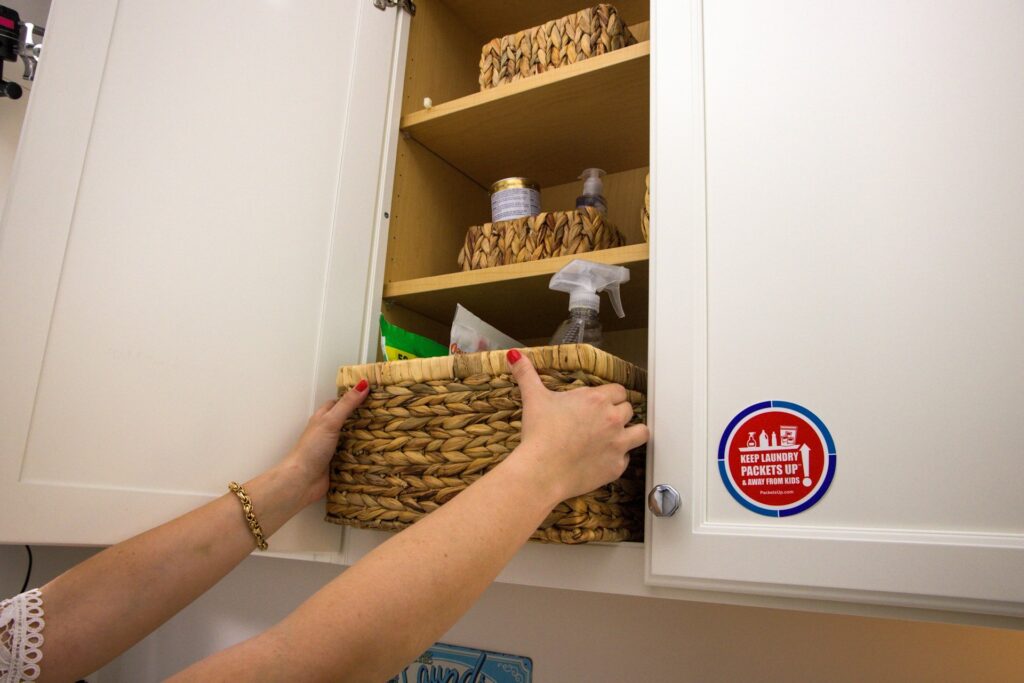
Photo byAmerican Cleaning Institute onUnsplash
Running out of space at home happens slowly, then all at once. One day your shelves feel full, the next your garage is packed and closets won’t close. Fortunately, a combination of smart home organization and off-site storage can give you breathing room again without losing the things you still value.
What Should Stay at Home
Start by keeping only what you use often and need easy access to. Everything else becomes a candidate for storage. Focus on making your home work better with these steps:
- Think vertical: Add wall shelves, hooks, or pegboards in kitchens, bathrooms, and garages.
- Use multi-purpose furniture: Storage ottomans, beds with drawers, and coffee tables with shelves help hide clutter.
- Maximize hidden space: Under-bed bins, over-the-door organizers, and closet upgrades go a long way.
- Create zones: Group similar items together so you’re not searching for things every day.
A simple rule helps keep things in check: bring something new in, take something out. This prevents clutter from building up again.
What Should Move to Storage
Not everything belongs in your daily space. Some items are better stored elsewhere, especially if you don’t use them often. Common examples include:
- Holiday decorations
- Seasonal clothing
- Sports gear and outdoor equipment
- Extra furniture or keepsakes
This is where off-site storage makes sense. If you’re considering options like these Bessemer storage units, the goal isn’t to hide clutter, it’s to create space at home while keeping items safe and accessible when needed. Think of it as an extension of your home, not a dumping ground.
How to Organize Both Spaces Effectively
Using home storage and off-site storage together only works if both are organized properly.
At home:
- Keep daily-use items within easy reach.
- Use clear bins and labels so everything is easy to find.
- Reset surfaces each day to avoid buildup.
In your storage unit:
- Use uniform, stackable bins to save space.
- Label boxes on multiple sides.
- Place rarely used items in the back and essentials near the front.
- Add simple shelving to take advantage of vertical space.
- Leave a walkway so you can access items without unpacking everything.
If you’re storing sensitive items like wood furniture or electronics, climate-controlled units can help protect them from heat and moisture.
Common Mistakes to Avoid
Even with a good plan, a few habits can undo your progress:
- Storing items without sorting them first.
- Forgetting what’s in storage due to poor labeling.
- Keeping too many “just in case” items.
- Treating storage as permanent instead of rotating items seasonally.
A quick system like the four-box method (keep, store, donate, discard) can help you stay organized from the start.
Endnote
Running out of space doesn’t mean you’ve lost control of your home. It usually means your storage strategy hasn’t kept up with your life. By deciding what stays close and what moves out, you can create a home that feels open, functional, and easier to manage. A little structure goes a long way, and once you have it, keeping your space organized becomes much easier.
Why Smart Organizers Treat Self Storage as a System, Not a Backup
April 24, 2026
Clutter has little to do with space. It is more commonly an outcome of disorganized systems that cannot adjust to real life. Self storage is often a last resort and not a strategic tool to many people who only use it when their home feels overwhelming. But intelligent organizers do otherwise. They treat self storage as an extension of their home organization system and not as a backup plan. This change in attitude can spell out the distinction between temporary relief and long-term clarity.
Understanding Storage as Part of a Larger System
An orderly house does not imply that everything has to be inside the walls. Rather, it is a purposeful choice of placing objects according to frequency of use and relevance. Integrating self storage with this decision-making process makes it a viable solution. Items that are rarely used but still valuable can be relocated without creating friction in daily routines. This includes:
- Archival documents
- Sentimental belongings
- Bulky equipment
Your home will be more practical and simpler to maintain when these items are stored outside in an organized manner. It is not about eliminating things at random but providing them with a logical location in a bigger system.
Reducing Daily Friction Through Smart Placement
An overlooked benefit of self storage is its accessibility. Your environment can be more efficient when commonly used items are close at hand and less used items are stored in different places. You waste less time in dealing with clutter and more on efficiently using your space.
For example, equipment and materials that should be utilized outdoors can easily crowd indoor space. By separating these items into a special unit, like a garden storage, you can keep things in order without losing convenience. The trick is to put items in categories according to their usage, not convenience.
Managing Seasonal Shifts Without Chaos
Homes have a hard time keeping up with seasonal changes. Winter attire, holiday decorations, and summer gear all adjust within limited space over the year. These items are likely to accumulate and mess up the organization without a clear system.
This is where the seasonal storage solutions come in. You ensure a clean and steady environment by packing things in and out of storage according to time of the year. Your home is a reflection of your present needs and not a warehouse of everything at once. It is also a way of minimizing wear and tear on objects since they are put away when not in use.
Creating Intentional Boundaries for Space
Using self storage effectively requires clear boundaries. Not everything belongs in storage, and not everything should remain at home. Smart organizers establish criteria for what gets stored externally and review these decisions regularly. This prevents storage units from becoming forgotten dumping grounds.
Choosing a reliable facility also supports this system. accessibility and organization within the unit itself are essential. Be it a Barrie self storage or any other well-managed alternative in your locality, it all depends on access and organization in the unit itself. Labeling, shelving, and grouping make sure that items stored are easily retrieved and manageable.
Endnote
Treating self storage as a system encourages consistency and long-term thinking. It redirects the attention of reactive decluttering to proactive organizing. This strategy will lower stress, increase productivity, and prepare a habitable environment that promotes your lifestyle. Storage becomes a permanent solution when it is deliberate. It becomes part of a sustainable structure that evolves with your needs.