How to Organize Your Living Room for Gaming, Movies, and Everyday Entertainment
October 22, 2026
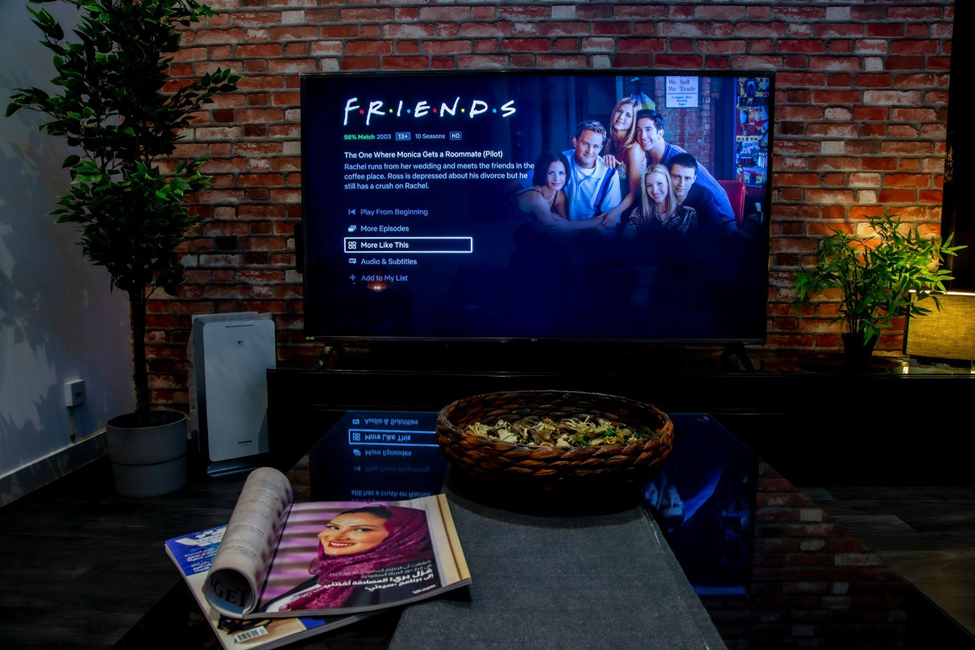
Photo by Mahrous Houses on Unsplash
The living room is often the busiest space in a home, serving as a place to relax, entertain guests, watch movies, and enjoy different forms of gaming. With so many activities taking place in one area, maintaining an organized and comfortable environment can become challenging.
Gaming consoles, controllers, streaming devices, remote controls, and other accessories can quickly create clutter. Meanwhile, furniture arrangements that work perfectly for watching television may not be practical for social gatherings or interactive entertainment.
Creating a multifunctional living room doesn’t necessarily require expensive furniture or a complete redesign. Thoughtful storage, flexible seating, appropriate lighting, and better organization can transform an ordinary living space into a versatile entertainment area.
The following ideas can help homeowners create a living room that accommodates gaming, movies, and everyday activities without sacrificing comfort or visual appeal.
Create a Dedicated Entertainment Zone
A well-organized living room starts with identifying how the space is used most frequently. For households that regularly watch movies, play video games, or enjoy digital entertainment, establishing a dedicated entertainment zone can make the entire room more functional.
The television or main display usually serves as the focal point. Positioning it where everyone can see comfortably allows different activities to share the same setup. A media console beneath the screen can accommodate gaming systems, streaming devices, and other electronics while keeping their accessories organized.
Modern entertainment also extends beyond traditional consoles and televisions. Laptops, tablets, and smartphones provide access to different recreational activities, from casual puzzle games to online gaming platforms. Adults who enjoy casino-style entertainment can access slots and other games through mrq online casino on their personal devices. A convenient side table and accessible charging points make it easier to use these devices without disrupting the main entertainment area.
When everything has a designated location, switching between activities becomes considerably simpler.
Choose Furniture That Supports Multiple Activities
Furniture plays an important role in determining how effectively a living room accommodates different forms of entertainment. Rather than arranging the entire space around a single activity, homeowners can select versatile pieces that adapt to changing needs.
A comfortable sectional sofa is particularly useful in entertainment-focused living rooms. It provides generous seating for movie nights while allowing family members to spread out during individual gaming sessions or casual relaxation.
Modular seating offers even greater flexibility. Individual sections can be rearranged to create a more open layout when guests visit or positioned closer together for a shared viewing experience.
Ottomans are another practical addition because they can serve as footrests, extra seating, or occasional tables. Storage ottomans offer the added benefit of providing concealed space for blankets, controllers, and other accessories.
Furniture proportions also matter. Oversized pieces can make a smaller living room feel cramped, while compact designs with clean lines help maintain an open and comfortable environment.
Keep Gaming Equipment and Accessories Organized
Gaming equipment can become one of the largest sources of clutter in an entertainment area. Controllers, headsets, charging cables, game cases, and additional accessories often accumulate around the television and sofa.
An entertainment cabinet with adjustable shelves offers a practical way to organize different devices. Consoles and streaming equipment can occupy dedicated compartments, while drawers provide convenient storage for smaller accessories.
For households with multiple gaming systems, assigning each device a specific location helps prevent equipment from becoming mixed up. Controller charging stations are particularly useful because they provide a designated place for devices when they are not being used.
Cable management deserves equal attention. Loose wires can make even a carefully decorated entertainment area appear disorganized. Cable sleeves, adhesive clips, and cable management boxes help group wires together and keep them out of sight.
Ventilation should also be considered when storing electronic equipment. Consoles and other devices need sufficient airflow, so enclosed cabinets should provide adequate space around their ventilation openings.
A simple organization system makes equipment easier to locate and allows the entertainment area to remain presentable between gaming sessions.
Adjust the Lighting for Movies, Gaming, and Relaxation
Different entertainment activities benefit from different lighting conditions. Bright overhead lighting may be appropriate for reading or socializing, but it can create distracting reflections on a television during movies or gaming sessions.
Layered lighting provides a more flexible solution by combining several light sources that can be controlled independently.
Dimmable ceiling fixtures allow homeowners to adjust the overall brightness without switching off every light in the room. Floor lamps and table lamps provide additional illumination for everyday activities, while indirect lighting creates a softer atmosphere during movie nights.
LED light strips installed behind a television or entertainment unit can add subtle ambient lighting without occupying valuable floor space. Energy efficiency is another consideration, as the U.S. Department of Energy highlights the lower electricity consumption of LED technology compared with traditional incandescent lighting.
Natural light should not be overlooked. Curtains or adjustable blinds can help control sunlight and minimize glare during daytime gaming or television viewing.
Smart lighting systems offer additional convenience, allowing different lighting arrangements to be saved for particular activities. A brighter setting might suit casual gatherings, while a dimmer arrangement can create a more comfortable environment for watching films.
Use Smart Storage to Maintain a Clutter-Free Space
An organized living room needs enough storage to accommodate everyday belongings without making the room feel crowded. Combining concealed storage with a few open shelves can help achieve this balance.
Floating shelves are useful for displaying books, decorative objects, and selected entertainment accessories. They utilize vertical wall space while keeping floors and tabletops clear.
Closed cabinets are better suited to items that homeowners prefer to keep out of sight, such as spare cables, board games, remote controls, and equipment that is only used occasionally.
Coffee tables with integrated drawers or lift-up compartments can provide convenient storage near the main seating area. Decorative baskets also work well for blankets, magazines, and other items that tend to accumulate around the sofa.
Grouping similar belongings together makes the system easier to maintain. For example, keeping all gaming accessories in one drawer and movie-related equipment in another reduces the need to search through multiple storage areas.
Leaving a little open space also prevents the room from appearing overcrowded and makes everyday cleaning easier.
Make the Room Comfortable for Everyday Living
Although entertainment may be a central purpose of the living room, the space should remain comfortable and practical when no screens are in use.
Soft furnishings can help create a welcoming atmosphere while improving the room’s overall appearance. Cushions, throws, and an appropriately sized rug introduce texture and make seating areas feel more inviting.
Furniture placement should also allow people to move comfortably through the room. Maintaining clear pathways between the sofa, entertainment unit, and entrances prevents the space from feeling restrictive.
For households that frequently host friends or family, lightweight accent chairs can provide additional seating without requiring a permanent change to the layout.
A small side table beside each main seating area offers a convenient place for drinks, books, or personal devices. This also helps prevent items from accumulating on the sofa or floor.
Finally, incorporating personal touches such as artwork, photographs, and decorative accessories can ensure that the room feels like a welcoming part of the home rather than a space dedicated exclusively to electronics.
An effective entertainment-focused living room balances technology, organization, and comfort. With flexible furniture, thoughtful storage, adjustable lighting, and clearly defined activity areas, homeowners can create a space that accommodates gaming, movies, and everyday relaxation while remaining organized and enjoyable to use.
Why Personal Style Is More Than Following Fashion Trends
September 6, 2026
Walk into a room, and you can quickly tell who feels comfy in their clothes. Unsurprisingly, they are not always the person wearing the most expensive clothing. Sometimes, it is actually the person in the simple outfit who looks completely at home in whatever outfit they are wearing. This is the actual power of personal style.
In simpler words, it is less about chasing what is popular. It is more about understanding what feels right.
Keep reading!
Your Style Can Stay with Changing Trends
We know that fashion trends keep moving. We all have witnessed this! One year, wide-legged trousers are worn everywhere. Next year, a different trend will take over. All have their moment: colors, prints, and shoes. There is absolutely nothing wrong with these changing trends. However, we do not recommend following every trend as it can soon make your wardrobe feel like it belongs to someone else.
Having your personal style gives you ultimate freedom. You can borrow ideas from existing fashion. Your personal choice is the best. Choose clothes that make perfect sense for you.
Small Details Actually Tell a Lot
Now, you do not need a massive wardrobe to create an amazing look. In fact, with a few mindful details, you can even make the simplest outfit stand out. A watch is a perfect example. A watch can add character without shouting for attention.
It does not matter whether you are dressing for work, meeting friends for coffee, or attending a more formal occasion. If you prefer timeless designs, we recommend exploring the selection of Tissot Watches, especially if you like timeless pieces. Their clean, versatile designs can actually complement both casual and smart outfits.
Such small choices can tell people a lot about your personal taste. If you prefer a traditional look, choose a watch with a simple leather strap. Wearing a watch with a metal bracelet can make your outfit appear sharper. So, when putting your outfit together, pay attention to the details.
Make Sure to Dress for Real Life
One common mistake that you might want to avoid is building a wardrobe around a lifestyle that you actually do not live. We are talking about an imaginary lifestyle. You might invest in clothes that look amazing in photographs. However, in real life, you spend weeks wearing them nowhere.
That said, consider your actual days. Do you spend your days walking a lot? Do you work in an office? Do you meet your friends frequently for dinners? The point is that your wardrobe must reflect your lifestyle and those moments.
Allow Seasonal Changes to Affect Your Mood
Your clothes can also reflect how you want to feel at different times of the year.
Summer can make you want to wear lighter fabrics and softer colors. Winter, on the other hand, can bring out heavier coats, boots, rich shades, and layers.
This never means that you must rebuild your wardrobe every few months. Consider seasonal living as a chance to make small changes.
Let Your Wardrobe Tell Your Story
Your personal style becomes stronger when you stop buying clothes only because they are trending. Before investing in clothes, ask yourself whether you would still like these clothing choices if no one else wore them. This question can help save money and help avoid having a crowded wardrobe.
Adding On
Trends can be fun, no doubt about it!
However, trends should never run the house. Your personal style must be built on small choices and your real needs. It should also reflect your level of comfort and confidence. The goal is to wear clothes that feel like they actually belong to you.