How to Stay Organized During a Home Renovation
April 24, 2026
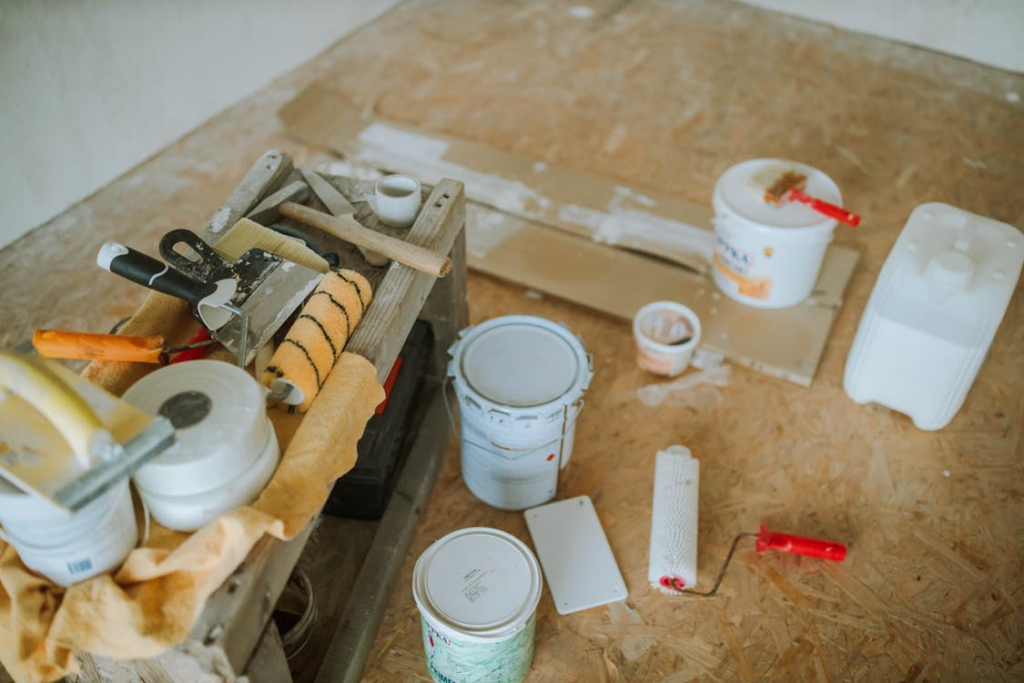
Photo by Anastasia Shuraeva on Pexels
Home renovation can improve a space, but it can also disrupt daily life quickly. Once furniture is moved, boxes start stacking up, and tools enter the picture, even simple routines can feel harder to manage.
The stress usually comes from losing structure, not just from the work itself. Good organization helps reduce that pressure before it starts. In this guide, we’ll outline ways to stay organized during a home renovation.
- Clear space before demolition starts
The fastest way to lose control is to renovate in a cluttered home. Before the first wall comes down, decide what must stay accessible and what can leave the work zone entirely. Many homeowners use a nearby storage option like this San Antonio Storage to keep furniture and seasonal items out of the way, which also gives contractors room to work safely.
Be sure to pack by room, label boxes with a bold room name plus a quick content note, and keep an ‘open first’ bin for essentials. For fragile items, add ‘top load’ and take a quick photo of the box contents.
- Set up clear zones for what stays, what goes, and what needs protection
Renovation gets disorganized quickly when everything ends up in one place. Packed boxes, daily essentials, fragile pieces, and construction supplies should not all be sitting together.
Create zones and label them clearly. One area can hold stored items. Another can be for things you still need. A separate space can protect valuables or fragile pieces. These boundaries make the home easier to navigate and stop messes from growing.
- Create one central place for renovation details
Renovation projects involve more information than most people expect. You may need paint colors, contractor numbers, receipts, measurements, delivery dates, and material lists in the same week. When these details are spread across texts, notes, and emails, mistakes happen fast.
You should keep everything in one place. This can be a folder, notebook, or digital document. A single reference point helps you track decisions, avoid duplicate purchases, and answer questions quickly when something changes.
- Keep a simple weekly plan for the work
Renovations feel more chaotic when you only react to problems as they come up. A basic weekly plan can make the project easier to follow. You do not need a complicated spreadsheet. You just need to know what is happening this week, what needs to be purchased, and what areas of the home will be affected. This visibility helps you prepare in advance. It also makes it easier to plan meals, work schedules, pet routines, and cleaning around the renovation.
- Protect your everyday routine where you can
A renovation may change your space, but it should not erase the systems that help you function each day. Try to keep a few routines steady, especially around sleep, meals, work, and important household items. Set up a temporary coffee station, keep one bathroom orderly, and store daily essentials in easy reach.
Small systems matter during disruptive projects. They reduce mental clutter, save time, and help your home feel more manageable even when parts of it are under construction.
Endnote
A renovation will always create some disruption, but disorganization makes it much worse. When you clear space early, set up clear zones, and keep essentials close, the process becomes easier to manage.
Clever Garage Organization Ideas That Save Space Year-Round
April 24, 2026
Photo courtesy of Freepik
Garages often turn into catch-all zones, stuffed with tools, holiday bins, and that dusty kayak from a trip you had to Zion National Park last summer. However, it often becomes tricky to manage everything, especially when you’re in a place like Hurricane, Utah where space feels precious amid seasonal gear swaps. You have to learn smart organization strategies to keep things accessible while making sure you don’t end up wasting a square foot. Here are some ideas you can try to ensure year-round efficiency.
Try Overhead Ceiling Storage Racks
A simple way to make use of all the unused space above your vehicles is to install overhead ceiling racks in your garage. These racks work great for bulky, seasonal items. It means you won’t face any problem storing boxes of camping gear or holiday decorations off the floor, which helps free up room for daily drivers or ATVs. As you can rotate contents with ease, this hack truly helps save space year-round.
To make it work effectively, you need to pick the right size first. Begin by measuring your garage ceiling height, as it determines what sort of racks can be installed properly. You must have enough space to ensure the racks sit at least 18 inches above the tallest vehicle.
In terms of quality, be sure to get heavy-duty steel models, as they usually come with a 500lbs capacity per rack. However, with these racks, you have to be careful when installing; a good idea is to secure them to ceiling joists using lag screws every 16 inches. Pay attention to the manufacturer’s torque specs, as it really helps avoid sagging. Be sure to load the racks evenly, making sure to distribute weight properly with no more than 100 pounds per square foot.
While this tip usually works like a charm, they sometimes hit limits, especially with overflow from family expansions or specific adventure gear. That’s when you can take advantage of Hurricane self storage units. You can find many options, including ground-level drive-up units with electronic gates, which work amazingly well for climate-controlled boxes of electronics or photos. Using this option can help you have a cleaner garage without losing quick access to essentials.
Use Modular Slatwall Storage Strips
Slatwall systems come with interlocking wood or plastic strips. They are rugged enough to support shelves, baskets, and racks that adapt to your evolving needs. As they can easily support heavy loads, like paddleboards or ladders, they truly help maximize available space throughout the year.
The good thing about this hack is that you can have heavier items high on walls while leaving lower areas clear for your trailers. They’re also quite durable, especially against humidity fluctuations, making them a useful option for locals storing gear for their next adventure trip.
For peak performance, it’s a good idea to install strips horizontally, preferably across studs at 8-foot heights using screws and adhesives. To combat the Southern Utah sun, it makes sense to use UV-resistant panels along with locking bins or scoop shelves.
You should organize items by use, keeping seasonal items up top and essentials nearby for quick access. Don’t forget to maintain the space occasionally; it’s a good idea to reconfigure it every six months and clean it with mild soap.
Endnote
Not only does a well-organized garage allow you to avoid cluttering your house with unnecessary stuff but it also helps you adapt to unexpected weather conditions. No matter your choice, consider the long-term impact and always invest in durable items that can withstand seasonal changes. As your family grows or your activities involve a lot of equipment, be sure to try Hurricane self-storage options to create a more scalable system that evolves with your needs.
How to Use Storage to Optimize Your Home Layout
April 18, 2026

Image courtesy of Pexels
Every home has what professional organizers call a clutter threshold. This is the invisible line where the number of items in your living space begins to outweigh the functional square footage available. Once you cross it, your home stops feeling like a sanctuary and starts feeling like a logistical puzzle. To reclaim your space, you have to move beyond simple tidying and adopt a staging mindset, treating your home like a curated gallery rather than a warehouse.
The Inventory Audit and Rotation Strategy
The secret to a high-functioning home isn’t necessarily owning less but rather ensuring that the items relevant to your current life are taking up your prime real estate. Think of your home as “active space” and a self storage Lanett AL facility as your “deep archive”.
Start by auditing your high-volume items. This includes seasonal gear like heavy winter duvets and space heaters in July, or bulky outdoor cushions and outdoor gear in January. By rotating these items out of your closets and into a dedicated unit, you effectively double your storage capacity at home. This ensures that your hallway closets are reserved for what you need this week, not what you might need six months from now.
Designing Your Transition Zone
We often keep furniture that doesn’t quite fit our current layout simply because the pieces are high-quality or hold sentimental value. However, forcing a large heirloom into a compact spare room creates visual noise that makes the room feel cramped and unusable.
By moving these transitional pieces into storage, you create a buffer zone. This allows you to perform a visual reset of your home. Removing just two or three medium-sized pieces of furniture can transform a cluttered spare bedroom into a crisp, productive home office or a dedicated hobby space. You aren’t getting rid of your valued possessions, you are simply giving your home room to breathe while you decide on a more permanent layout.
Maintaining a Fluid System
For the staging method to work, the pipeline between your home and your storage unit must be organized. Use these three professional tactics:
- Vertical thinking: Use heavy-duty shelving in your unit to keep bins off the floor. This makes it easier to shop your own inventory when you are ready to swap items back into the house.
- Photo-labeling: Tape a photo of the contents to the outside of each bin. When you are looking for that specific box of holiday decor or guest linens, you will find it in seconds.
- The quarterly swap: Schedule a visit to your unit every three months. Use this time to drop off the previous season’s gear and pick up what you’ll need for the next ninety days.
Your Home, Refined
Real organization is about intentionality. When you use local resources to house the items that aren’t serving your immediate needs, you stop living around your belongings and start living with them. By treating your home as a curated environment, you create a space that supports your lifestyle rather than one that requires your constant attention.