Another option: creating a tie drawer
October 7, 2015

The search for the best tie storage continues.
This week, we’re looking into drawer organizers. While I typically warn against keeping expensive, quality ties in a drawer, using the correct type of organizer can be a perfect match. Large tie collections are best managed when you can see them all at once. Dedicating one or two dresser drawers to a proper organizer can make this possible. Create a tie drawer:
Cubbies
Inserts are really the best option. Using an organizing tray makes it super easy to create the exact system you need — no more, no less. This nine compartment design is great for the average Joe. The fabric lining protects silk ties from snags, tears or anything else.
A honeycomb divider is great for ties too. The small cubbies accommodate ties, belts or dress socks. You can properly roll up your ties and keep them one-to-a-cubby to best organize and protect them. The honeycomb shape is great for ties too.
Drawer dividers
You can utilize dividers to crate a more permanent organizer too. Drawer dividers are an easy way to create multiple storage areas in one drawer. Separate a drawer so you can keep all you ties, dress socks and other accessories in one, convenient place. These cool bamboo dividers are spring loaded and super simple to install. Padded ends protect your furniture from scratches and wear.
Autumn 101: Composting leaves
October 1, 2015
Hello, October! I’ve been waiting for you!
While fall officially begins in September, it never feels like it’s really here until October bears its head. Welcome spiced drinks, warm sweaters and crunchy leaves.
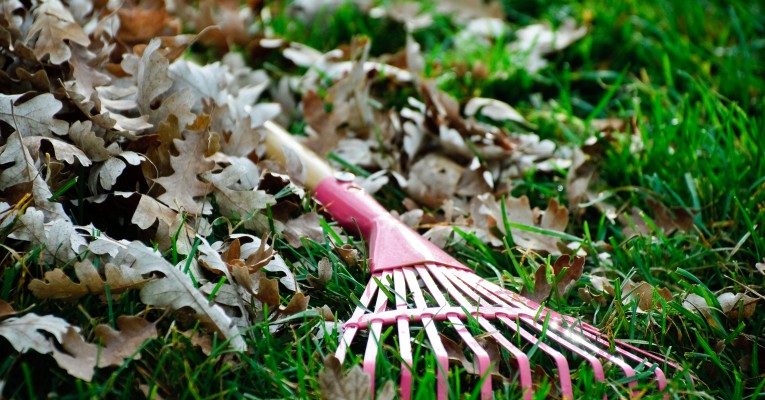
That last one though. What do you do with all those leaves? You can rake them up, bag them and leave ’em by the curb for garbage day. But what good does that do. Come spring, you’ll be purchasing bags of unnatural fertilizers to spruce up your gardens. I say, skip the chemicals and use the natural nutrients from composted leaves to improve the natural water table as well as improve soil quality and root growth.
Now, you can go the easy way. Rake leaves into a pile in your backyard, cover them with a tarp and let them sit. Maybe make a small enclosed area with chicken wire. But if you’re in an area that gets lots of snow like I am, you want to create the perfect environment for proper composting.
Finding the right composter
Bins are great for those looking for a low maintenance project.
Made from 100 percent recycled plastic, this Compost Container is an easy route for beginners. This compost bin holds up to 58 gallons, perfect for yard waste. Simply add your leaves and then pile in any kitchen waste you may have. Think banana and vegetable peels, coffee grounds and the like. This manageable bin sits anywhere you like in the backyard, just try to keep it in a sunny spot during the winter. And maybe put some hay bales around it to keep it cookin’.
Looking for a little more? Tumbling compost bins are a step up.
Made in the U.S.A., this Tumbling Composter is much faster than the normal stationary style. This 6.5 cubic feet bin composts material in just three to four weeks. This resin barrel sits on a strong steel frame. The unit is designed to spin easily so compost can be mixed without opening the barrel.
Of course, you can always go the DIY route. One of our sister blogs recently tackled how to make a compost bin out of a plastic storage tote. It’s a great, easy project for those not sure if they’re ready for the commitment.
- Tip: New projects are always easier to tackle when you prepare properly. Organizing yard tools and other tools needed to compost will make it so much easier to remain attentive to this new undertaking. A simple organizer is a great addition to garages and tool sheds alike.
What’s in your decanter? Fall sangria recipes
September 29, 2015
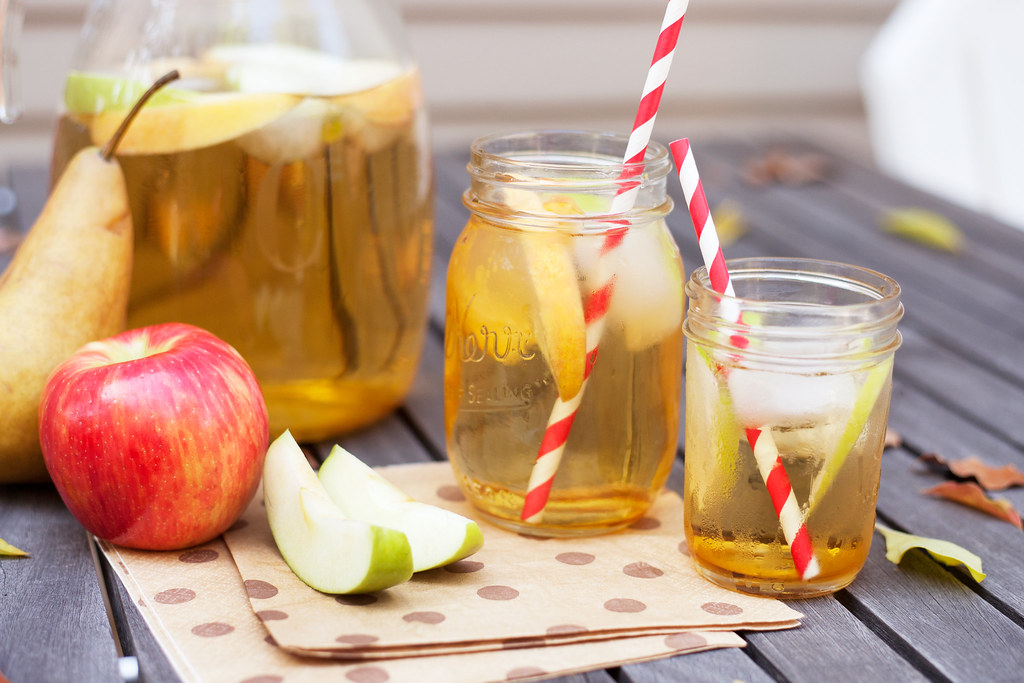
A pitcher of red or white sangria is always a must-have for gatherings at home, but have you ever considered spicing up your favorite mix for fall? Enjoy these fall sangria recipes and storage tips.
Whether you’re having parents over while kids trick-or-treat, a Sunday football game, or if you’re planning ahead for your Thanksgiving Day feast, sangria is a great way to please a crowd. The first thing you need is a quality, glass pitcher. When making sangria, you need to pop the mixture in the fridge and allow it to sit for at least an hour so all the flavors can blend. Plastic is too porous and can hold on to past flavors, compromising your fresh mix.
- Carafes: These slim, easy to use pitchers are perfect for small get-togethers. The Fontana Carafe is made with heat resistant glass, perfect for both cold and warm drinks. The fitted lid is spill-proof and only dispenses liquid. That means fruit and other ingredients remain in the pitcher and do not splash around when pouring drinks. Similarly, the Aqua Carafe has a spill-prof lid and a strong, double-walled base.
- Dispensers: Expecting more people? Go the dispenser route. This glass Beverage Server holds up to 110 ounces. Plus, the handy spigot makes it super easy for guests to refill their own glasses without making a mess. The mixture tends to sit longer too, just adding more flavor. A cute chalkboard label and included chalk makes it easy to label this pitcher if you perhaps have more than one — it’s especially handy if one drink is alcoholic and the other isn’t.
- Infusing pitchers: Pitchers like the Water Jug with Infuser are great too — especially if you like to do more than just mix sangria. This model in particular comes with multiple inserts for tea, infusing, ice and more. This pitcher is so great for sangria because you can infuse red or white wine with fresh fruit and easily remove it. The plastic lid also has a helpful pouring handle and the glass body holds up to 60 fluid ounces.
Caramel apple sangria
1 bottle white wine (i.e. pinot grigio)
2 cups cider, sparkling or still
about 3 apples, sliced or cubed; try to use a different mix
1/4 – 1/3 cup caramel syrup
3 cinnamon sticks if desired
- Alternative: Not feeling the caramel? Go for maple syrup instead and add some club soda in lieu of the cider.
Cinnamon pear sangria
1 bottle red wine (i.e. pinot noir)
2-3 cups of apple cider
about 3 pears, sliced or cubed
3 cinnamon sticks
- Alternative: Use apples instead if you don’t like pears.
