
New Puppy: Starter Pack
September 2, 2019
Puppies are one of the most adorable creatures on this planet. They are rambunctious, spontaneous, and they wear their hearts on their soft fur. If you’re thinking of heading down to the local humane society to find a puppy of your very own, remember to get the necessary supplies!
1. Dog Crate
Add a create or kennel to your space to give your pup a place of their own, Whether or not you choose to crate train your new puppy, giving them a place of their own where they can relax and take a nap is essential when making them feel at home. Place a favorite toy and a soft blanket inside, and your puppy will feel right at home. Organize-It offers several attractive dog crates to complement your home’s decor.

2. Pet Gate
Keep your pet contained in one area, to keep them safe and out of trouble, with a handy pet gate. Several pet gates open in the middle so you can easily pass through without needing to remove the entire hallway gate. Organize-It also offers several freestanding pet gates so you can easily move them around as your needs change over the coming weeks.

3. Food Storage
Puppies are mischievous, and eternally hungry. Make sure they don’t snack between meals by storing their kibble inside an airtight storage container. Several food containers allow you to store an entire bag of food inside, bag and all. You can then scoop out portions as needed to feed your pooch. Smaller food containers are perfect for storing treats and rawhide bones.

4. Food and Water Bowl Mats
Food and water bowls are essential for any growing puppy. Do you already have a fancy set picked out? Great! A food mat is essential for keeping dishes in place while your pet scarfs down their morning or evening meal. It also protects your flooring from spilled kibble and splashed water, making cleanup quick and easy.

Pictured: AquaShield Dog Bowl Wave Pet Feeder Mat
5. Toy Storage
Let’s face it: you’re going to buy your pet lots and lots of toys. They are just too cute to resist! From annoying squeaking toys to tug-of-war toys, keep your pup’s playthings safely stored inside the Paw Print Storage Bench (pictured below). The padded lid acts as a seat when closed. Organize-It also offers several bins, totes, and containers to store and organize toys.

6. Store Leashes on Wall Hooks
Potting training is hard. Your pup needs to go out often and they have a hard time controlling their bladder. Because of this, you can always store a leash right next to the door so you can take them out quickly and at a moment’s notice. Install a wall hook by the front door and remember to always replace the leash when you come back inside.
Last Minute Advice
Just like with babies, puppies are a lot of work but they are ultimately rewarding. Puppy-hood is fleeting: remember to enjoy every moment.
Subscribe to the Organize-It blog for more organization tips and tricks. Learn more at Organize-It.com.
Keeping Jewelry Safe and Organized While Traveling
August 26, 2019
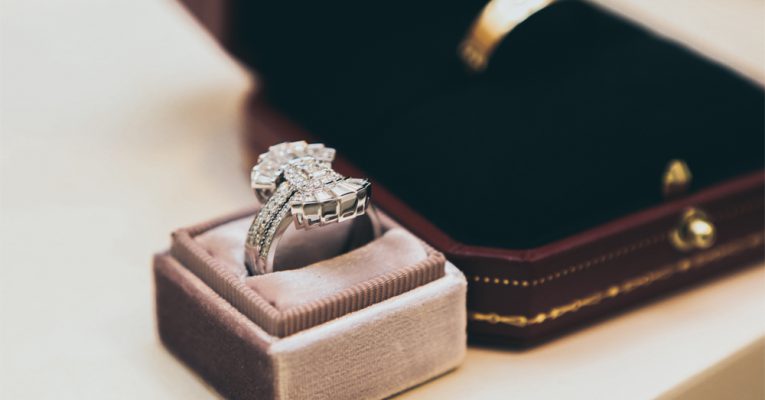
Taking your jewelry on the go doesn’t have to be complicated. While a premium jewelry organizer — complete with a hard shell and plush velvet exterior — is ideal, you can also get away with following the tips below. From repurposing mint tins to breaking out the vacuum sealer, it’s easy to keep jewelry safe and organized on your next trip.
Place Earrings in Buttons
Don’t throw all your earrings in one bag or container — you’ll only create a mess. Small pieces, especially stud earrings, are prone to getting lost. Match earrings up with buttons to prepare for travel. Place the earrings through the holes and securely attach the backs. Try to keep one pair per button to avoid jewelry from getting mixed.
Invest in Jewelry Organizers
If you want to store items like earrings, cuffs, necklaces and rings securely, invest in a travel jewelry organizer. Look for a double-layered organizer with deep compartments and a lush interior if you need protection from nature’s elements. Opt for a hard-shell case that’s tough and durable while also able to fit inside a purse. Or choose a budget-friendly organizer with the ability to hang or roll flat.
Reuse Mint Tins
Small metal mint tins are an ideal storage option for jewelry when traveling. The tough exterior won’t get flattened while in a bag, protecting valuable contents inside. A mint tin is perfect for items that won’t get tangled, like rings, brooches or cufflinks. It’s also an excellent spot for earrings once attached to buttons.
Find the Original Boxes
Use original boxes to store jewelry when traveling. The cases have built-in features to hold rings and necklaces in place. Don’t worry if the original jewelry case is dirty from disuse. Use a warm, wet cloth to wipe away dust and mildew. Look for a product formulated for delicate materials if you need a mild cleanser to remove stains.
Round up Carabiners
Buy a pack of carabiners for a few bucks at your local hardware or sporting goods store for an easy and foolproof way to store jewelry. Carabiners are versatile and a perfect tool to have when traveling. You can conveniently clip dozens of rings inside, or use them to organize necklaces and bracelets.
Make a Jewelry Roll
A jewelry roll is a space-saving travel organizer. If you don’t have one, you can make one with a small travel towel. Lay a piece of fabric out flat and arrange your jewelry on top. Once everything is in place, roll the material up tightly and tie the ends with a bit of string or yarn. If you’re feeling ambitious, you can break out the sewing machine and add some zippers.
Repurpose Pill Containers
Use a one- or two-week pill organizer to keep your jewelry safe while on the road. The easy-to-grab boxes are perfect for storing small items like earrings and rings. While most pill containers are long and narrow, round pill cases are also available. Store items like necklaces and bracelets alone to prevent tangling.
Pull out Business Cards
We all have too many business cards lying around. Use unwanted business cards — like the one from that marketing exec who wanted to meet for coffee — to organize small jewelry pieces like brooches, pins and earrings. All you have to do is stick the pin through the cardboard and attach the back. If you don’t have any business cards lying around, buy a cheap pack of playing cards.
Vacuum-Seal Contents
You’ve probably heard of vacuum-sealing your food to keep it fresh. But what about for keeping jewelry organized? Most jewelry goes missing because it’s loosely packed away, able to bounce around in your bag. Vacuum-seal jewelry to keep it locked in place, even when traveling around the world.
Buy Plastic Baggies
Plastic baggies have hundreds of uses. They’re equally handy for storing a lunchtime sandwich as they are for stowing jewelry securely when you embark on a trip. Since baggies take up minimal space, you can use as many as needed to organize items and prevent tangling. Store larger pieces, like rings, brooches and watches, together.
Planning a Trip? Learn How to Pack Your Jewelry
Planning a trip and looking fabulous doesn’t have to be hard. You can safely bring jewelry along with the easy-to-use methods above.
Find old buttons to store your earrings and prevent disappearances. Break out original jewelry boxes for an easy way to keep pieces in place while you’re on the go. Or make a DIY jewelry roll with a few pieces of fabric, some zippers and a little bit of patience. If you plan accordingly, you can have everything organized before you’re ready to leave.
Subscribe to the Organize-It blog for more organization tips and tricks. Learn more at Organize-It.com
Laundry Room Space Savers
August 19, 2019
1. Collapsible Drying Rack

Freestanding drying racks take up a lot of space in the laundry room, but you can maximize the available space with a wall mounted drying rack.
This Telescoping Wall-Mount Drying Rack is designed to expand in depth so you can easily hang clothes up to dry. Mount the drying rack above the dryer to save additional space in the laundry room.
Other drying racks are available so you can lay clothing flat to dry. The Mesh Sweater Drying Rack is designed to keep your clothing flat when it dries, and you can stack multiple racks together to save on space.
2. Slim Cart

Is there a small space between your washer and dryer? Take advantage of the unused space with a slim rolling storage cart.
The shelves allow you to store everything from launder detergent to stain remover, allowing you to store the products you need right where you need them. Most slim carts feature rolling casters so you can easily pull the cart out as needed.
3. Hanger Valets

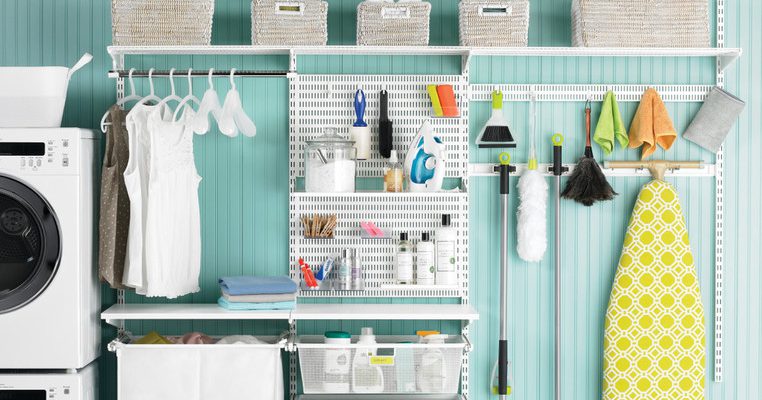
Hanger valets and holders are ideal for creating and maintaining a more organized laundry room or closet. These hanger holders are ideal for hanging clothes to air dry or storing clothing fresh out of the dryer.
The hanger valet folds out for easy use and then folds flat to the wall when not in use. Several styles and colors are available to complement most any space.
If you’re limited on space, we also offer over the door options that do not require tools or hardware to install, and are great for use in laundry rooms, closets, and bedrooms.
4. Fold-Out Ironing Board

Use a fold-out laundry board to save space in the utility room while giving yourself a handy place to iron wrinkles out of garments. You can also use the ironing board to fold clothing before distributing them to their owners.
Most fold-out ironing boards are designed to mount to the wall or into the wall. The ironing board pictured is designed to attach over the door to eliminate the need for permanent installation.
Can’t accommodate a fold-out ironing board? No problem! Use an Iron and Iron Board Holder to keep both your ironing board and your iron conveniently stored. These space-savers are designed to mount to the wall or hang over the door in order to save space in the utility room.
Subscribe to the Organize-It blog for more organization tips and tricks. Learn more at Organize-It.com.