The Minimalist Approach to a Clutter-Free Bedroom
March 17, 2026
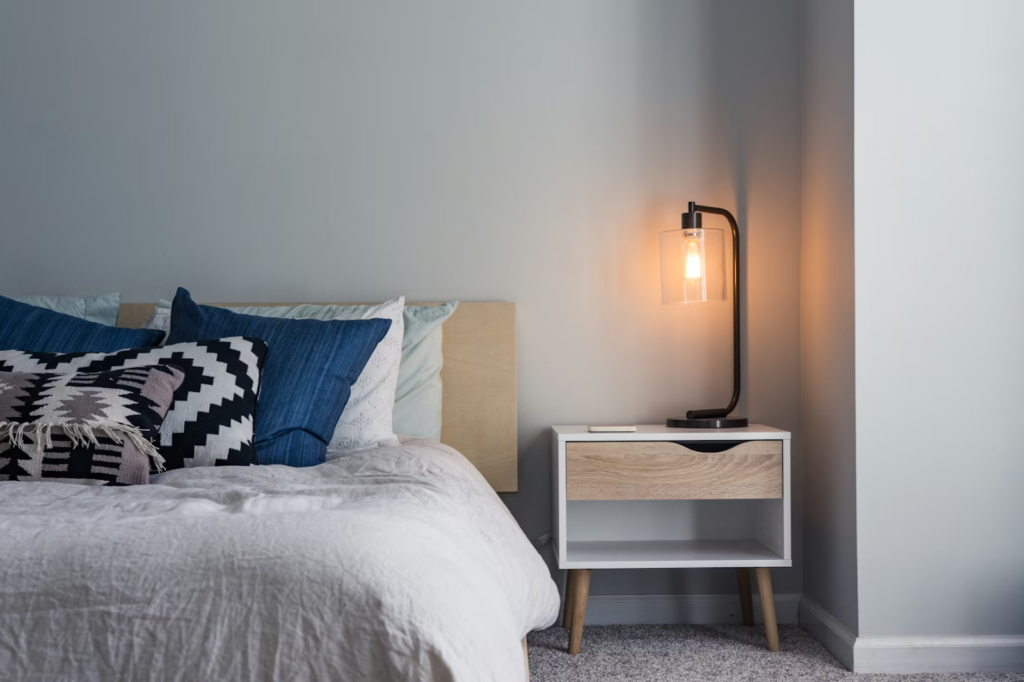
A bedroom should be the most restorative room in the home. When its surfaces are crowded with objects and its corners are filled with things that belong elsewhere, it fails at that fundamental job.
The visual noise of a cluttered space registers in the brain even during sleep, contributing to a low-level tension that undermines the rest you are trying to get.
Adopting a minimalist approach to the bedroom is not about stripping a room of personality. It is about making deliberate choices – keeping what genuinely serves you and letting go of what simply accumulates. The result is a space that feels calmer, cleaner, and significantly easier to maintain.
Improving the Air You Breathe
Decluttering a bedroom often reveals just how much dust and dander has settled into forgotten corners, on crowded surfaces, and beneath furniture that rarely gets moved. Clearing that clutter is the first step; maintaining clean air afterward is the second.
High-quality systems like the air purifiers from Dreame Home Air help to filter out fine particles that regular cleaning cannot fully address, keeping the bedroom atmosphere genuinely fresh rather than superficially tidy.
Minimalism also means fewer objects to collect dust in the first place. A cleared nightstand and a bare dresser top take thirty seconds to wipe down. A surface covered in small decorative objects takes considerably longer – and gets cleaned less often as a result.
Selecting Furniture with Functional Purpose
Every piece of furniture in a minimalist bedroom should justify its presence. Bulky items that are rarely used make a room feel smaller and more oppressive than it needs to be. Evaluating the current layout with fresh eyes often reveals that one or two pieces can be removed entirely without losing any practical function.
A bed frame with built-in storage solves one of the most common bedroom challenges – where to put extra linens and seasonal clothing – without adding square footage of furniture.
When floor space is clear and open, the room breathes differently. The sense of calm that comes from an unobstructed floor is difficult to overstate.
Organizing the Closet to Reduce Visual Stress
The closet is where bedroom clutter most often hides. A minimalist wardrobe means keeping only what you actually wear, fits properly, and reflects how you want to dress.
Removing clothes that have been pushed to the back for a year or more creates an immediate sense of order – and makes the daily routine of choosing an outfit considerably more pleasant.
Uniform hangers and organized shoe racks extend this clarity deeper into the storage space. When everything has a designated place, the closet stops feeling like a problem to be managed and starts functioning as a genuinely useful part of the room.
Managing Surfaces and Bedside Essentials
The nightstand is the most reliable indicator of a bedroom’s organizational health. It attracts everything – books, chargers, glasses, hand cream, receipts – and quickly becomes the visual focal point of the room, for all the wrong reasons.
Limit the surface to what you actually use each night: a lamp, perhaps a single book, a glass of water. If a drawer is available, use it to keep the top clear.
Removing electronics from the bedroom entirely – or at minimum from the bedside – is one of the most impactful changes for sleep quality, as it separates the space from the cognitive associations of work and scrolling that make it harder to wind down.
Streamlining Decor for a Calming Effect
Minimalism does not require a room stripped of warmth or character. It requires intention. One large, carefully chosen piece of art creates more visual impact than a wall crowded with smaller frames – and contributes to a sense of calm rather than stimulation.
A neutral color palette with natural textures – cotton, linen, raw wood – enhances the feeling of a sanctuary without demanding attention.
Quality bedding in natural fibers feels noticeably better to sleep in and adds genuine comfort rather than decorative complexity. Every object in the room should earn its place through either beauty or function, ideally both.
Maintaining a Sustainable Sense of Order
A minimalist bedroom requires maintenance to stay that way. The temptation to set something down on a cleared surface is constant; the discipline to put it where it belongs is what preserves the environment you have created.
A few minutes of tidying each morning – making the bed, returning items to their places – prevents the gradual accumulation that eventually makes a room feel chaotic again.
Over time, living in a simplified space tends to recalibrate what feels necessary. The impulsive purchase that would have once seemed essential starts to look like future clutter. That shift in perspective is, in many ways, the real achievement of the minimalist bedroom – not just a tidy room, but a different relationship with the objects in your life.