How to Choose Cabinet Pulls for a Custom Closet, Pantry, or Dressing Room
November 24, 2026
A well-planned closet or pantry is a joy. Every shelf has a purpose, every drawer holds what it should, and you can find what you need in seconds. Once the layout is set, the hardware becomes the part you touch every day. It is also the detail that gives a storage space real polish. Designers who plan custom closets and pantries often specify high end cabinet pulls in solid bronze for this reason. A good pull opens a heavy drawer with ease, feels solid in the hand, and brings the same quality to the closet that guests see in the kitchen and living room. Here is how to choose pulls that work as hard as your storage system and look the part.
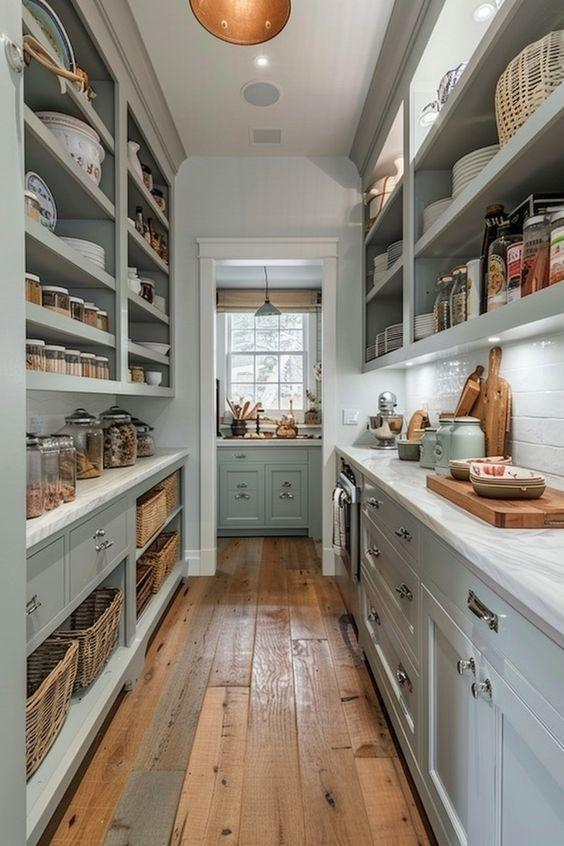
Let Function Lead the Way
Start with what each drawer and door will hold. A shallow drawer of jewelry or watches is light and opens with a gentle tug. A deep drawer full of sweaters or denim is much heavier. The same goes for a pantry, where a drawer of canned goods weighs far more than one that holds napkins. Heavy drawers need long, strong pulls that fill your whole hand. Light drawers can take small pulls, knobs, or slim tabs.
Think about who will use the space as well. In a shared closet, both people should find the hardware easy to reach and grip. In a family pantry, children may open the low drawers. Simple shapes with soft edges make sense there. Pulls you can grab without much thought keep a busy space running well.
Size and Placement
A helpful rule for drawer pulls is to choose a length of about one third of the drawer’s width. A 24-inch drawer, for example, might take a pull of about 8 inches. For very wide drawers, two pulls placed toward each end often look and work better than one. On a stack of drawers, line the pulls up on a single center line so the cabinet looks calm and orderly.
Tall closet and pantry doors need a little more thought. A longer vertical pull, placed near the opening edge, gives you a good grip at different heights. Some designers use appliance pulls on full-height pantry doors, since makers build them to take more force. On upper cabinets, place pulls or knobs near the bottom corner of the door. On lower cabinets, place them near the top corner. This keeps the hardware within easy reach. If you are replacing old pulls on existing cabinets, measure the distance between the screw holes, known as the center-to-center measurement. Matching that number saves you from filling and drilling new holes.
Profiles for Tight Spaces
Closets and pantries are often narrow, and projection matters. Projection is how far the pull sticks out from the face of the drawer. In a slim walk-in closet, deep pulls can catch on clothing or bump a hip as you pass. Edge pulls and tab pulls mount along the top of the drawer and keep a low, clean profile. Bin or cup pulls suit drawers you open from below and add a classic touch to a dressing room or pantry. Low-profile bar pulls offer a full grip and stay close to the drawer. Look for smooth, rounded edges in areas where you handle delicate fabrics. A pull with a sharp corner can snag silk or knitwear over time.
Material and Finish
A closet or pantry may be a private space, and it still deserves the same care as the rooms you show off. Solid bronze pulls bring weight, warmth, and a sense of permanence. Hand-applied finishes range from soft brushed tones to deep, dark shades. Over time, the parts you touch most take on a soft glow, and the rest grows rich and deep. This living finish suits a dressing room or butler’s pantry. It adds warmth and character to a space you use each day.
For a pulled-together look, match the finish of your cabinet pulls to the other hardware in the space. Wall hooks, shelf brackets, and even light switches in the same metal tie the room together. If your closet opens off a bedroom with bronze door hardware, carrying that finish inside creates a smooth flow from one room to the next.
Bringing It All Together
A good closet starts with a smart layout. The right hardware makes that layout a pleasure to use. Choose pulls that suit the weight of each drawer, size them to the space, and pick a profile that keeps narrow walkways clear. Then finish the room with a material and tone you will enjoy for years. When every drawer opens with a smooth, solid feel, your closet or pantry becomes one of the most satisfying rooms in the house.