Seasonal Living: How to Rotate Your Belongings Without Cluttering Your Home
May 5, 2026
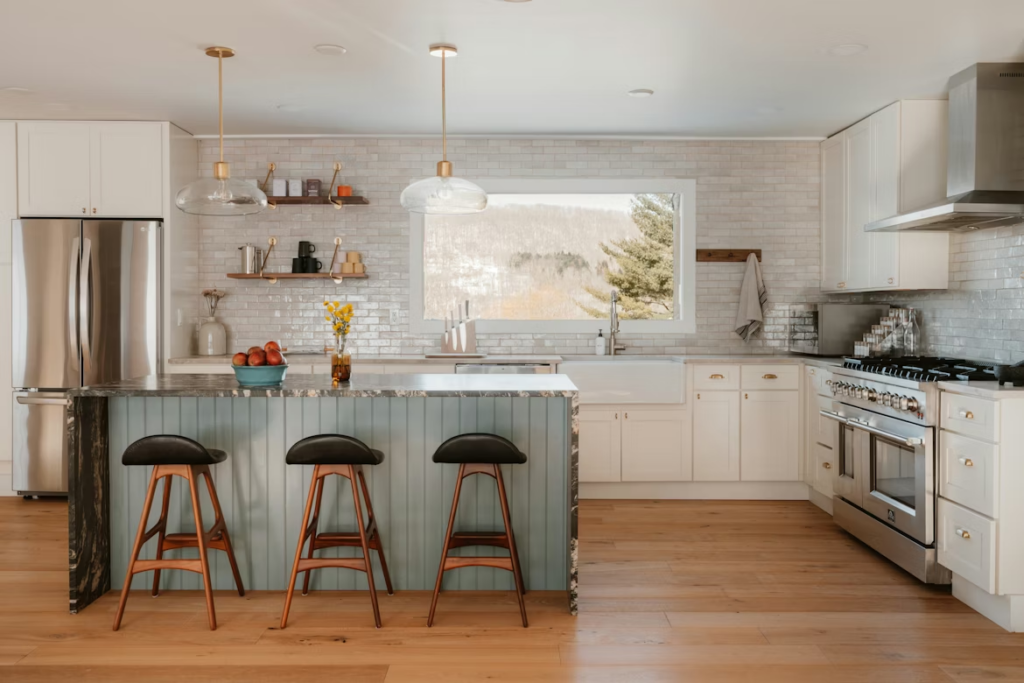
Photo courtesy of Unsplash
If your home always feels a little too full, the problem might not be how much you own. It could be about how everything is stored simultaneously. When every season’s belongings compete for space, even an organized home can start to feel crowded. That is where seasonal living comes in. By rotating what you keep accessible throughout the year, you can create a home that feels lighter, more functional, and easier to manage.
What Is Seasonal Living?
Seasonal living is a simple idea. You keep only what you need right now within easy reach and store the rest until the time comes to use it again. Take the example of bulky winter coats, holiday decorations, and summer sports gear. You do not need all of these items available every day.
Instead of forcing everything into closets and cabinets, you treat your belongings based on when you actually use them. This approach helps you stay organized without constantly purging items you still value.
How to Rotate Your Belongings Effectively
Rotating your belongings does not have to be complicated, but it does require a clear system. The goal is to make your home support your current needs instead of storing everything you own at once. Here is a simple step-by-step approach you can follow:
1. Sort Items by Season and Use
Start by grouping your belongings into categories based on when you actually use them. This could include winter clothing, summer outfits, holiday decorations, travel gear, and hobby equipment. Seeing everything grouped helps you understand how much space each category really needs.
2. Identify What You Use Regularly
Take a closer look at your daily and weekly routines. The items you reach for often should stay easily accessible. Everything else can be moved out of your primary storage areas. This step is key because it helps you prioritize convenience over trying to store everything in one place.
3. Create Clear Storage Zones
Divide your space into zones based on frequency of use. Keep everyday items in closets, drawers, and shelves. Store occasional items in less-accessible areas, such as high shelves or spare closets. Off-season items should be completely separated so they do not interfere with your daily routine.
4. Pack and Label with Purpose
Use sturdy containers and label everything clearly. This saves you time when the seasons change. You should be able to swap items in and out without opening every box. For clothing, consider vacuum-sealed bags to reduce bulk. Similarly, use protective wrapping to prevent damage to decorations.
5. Plan Your Rotation Schedule
Set a simple routine for switching items. Many people rotate twice a year, while others prefer to do it quarterly. Choose a schedule that fits your lifestyle and stick to it. This keeps your system consistent and prevents clutter from creeping back in.
Know When to Use Extra Storage Space
Not every home has enough room to store off-season belongings efficiently. If your closets, attic, or garage are already full, it becomes difficult to maintain this system. In these cases, using dedicated storage units can help you keep items organized without overcrowding your living space. It allows you to treat storage as an extension of your home instead of forcing everything into limited spaces.
Endnote
You do not need to get rid of everything to feel organized. You just need a better system for when and where your belongings are stored. By embracing seasonal living, you can create a home that fits your lifestyle and keeps clutter under control year-round.
How to Organize a Storage Unit to Easily Access Items
May 5, 2026
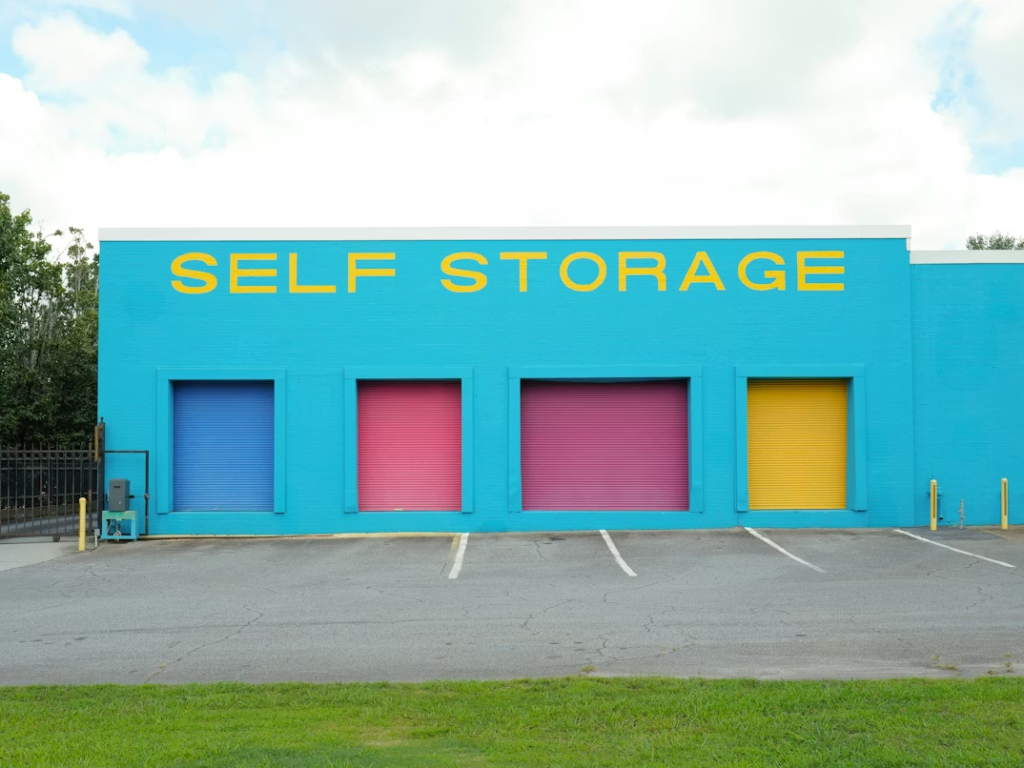
Image from Zash Capturing on Unsplash
If you’ve run out of storage room at home, one of the most reliable storage solutions you could settle for is a self-storage unit. However, acquiring a storage unit alone isn’t enough to keep your life organized. You need to intentionally plan and organize your storage space to achieve order and make it easier to access your items when you need them. Below, we’ll explore some helpful tips on how you can organize your storage unit and help you make the most of your newly found extra space.
Choose the Right Storage Unit
It all starts with the type and size of storage unit you choose for your items. If you’re looking to store smaller household items such as a collection of wine, utensils, artifacts, documents, or other personal items, a sizable 5×5 self-storage unit can suffice. However, for larger items like furniture, old bikes, and unused appliances, you can go with larger units, such as a 12×5 or 15×5, depending on how many items you have.
Choosing the right storage unit starts with choosing the right storage unit provider. For instance, you can opt for local storage solutions, such as storage Spokane, to make your storage experience smoother. Local storage solutions offer easy access to your storage units, so you can pick up or drop off your items anytime you want.
Have an Inventory List
An inventory list is important for keeping track of the items you’ve stored in your storage unit over time. This is especially important if you’re storing a wide range of items over a long period, as you can lose track of them along the way. An inventory list helps you to keep your items organized for easy access and to avoid surprises.
You can use a checklist or a spreadsheet to list items, including a brief description and storage date. If you have a larger unit, you might want to map the locations of each item. This will help you save time and energy, especially if you’re using the unit for a long time.
Label Your Boxes
Even with an inventory list in place, you still need to label your boxes to ensure easy item traceability in the store. Once you have a lot of items in there, it can be challenging to find a specific item, like a novel, in a box of books. By labeling the specific box with an easily identifiable label, you can reduce the time it takes to find that novel in the store.
You can label the top and one side of the box so it’s easy to read when searching from the top or from the side. The label can be a simple one-word label showing what’s inside, or it can include a few other details, such as the room the items came from and the dates. The more specific your label is, the easier it is to find your items when you need them.
An organized storage unit will help keep your items safe and easily accessible for a long time, leaving your home with enough space for effective functionality. Whether you’re keeping the storage unit close to your home or at the facility’s storage center, the above tips will help you make the most of the available space.
How to Evaluate Furniture Design Online Without Relying on Guesswork
April 29, 2026
Buying furniture online often feels like a decision made with incomplete information. A piece that looks refined and well-proportioned in a product listing can feel oversized, undersized, or visually disconnected once it arrives in a real space. Materials that appear rich on screen may read differently under actual lighting conditions. Layout assumptions that seemed obvious can quickly break down in daily use.
These issues are rarely caused by poor products. More often, they result from how furniture is presented — and how it’s evaluated before purchase.
The key is not to browse longer, but to look at different signals.
Why Design Visualization Matters More Than Product Photos
Most online listings rely heavily on photography, but photography has limits. It captures a single moment, from a single angle, under controlled conditions. It doesn’t always communicate how a piece behaves across different environments, layouts, or lighting scenarios.
This is where 3d model design services become increasingly relevant for both retailers and buyers. Instead of relying solely on static images, these services allow furniture to be visualized across multiple contexts — different room sizes, configurations, and finishes — before it exists physically in every variation.
For shoppers, this means a better understanding of proportion and presence. A shelving unit shown in multiple spatial contexts reveals far more than a standalone product photo. You begin to see not just the object, but how it lives in a room — how it aligns with walls, interacts with light, and relates to surrounding elements.
That additional layer of clarity is often what prevents the most common buying mistakes.
How the 3D Modeling Process Improves Decision-Making
Behind these visualizations is the 3d modeling process, which translates a furniture concept into a precise digital representation. Unlike traditional photography, which depends on physical staging, this process builds the object with exact dimensions, materials, and structural logic from the ground up.
What makes this valuable for buyers is accuracy.
A properly executed model reflects real proportions, realistic material behavior, and correct spatial relationships. When placed into a digital room scene, it allows you to evaluate scale, clearance, and visual weight in a way that closely mirrors real-world conditions.
This is especially useful when comparing options. A cabinet in two finishes, or a sofa in different configurations, can be assessed side by side under identical conditions — something that’s rarely possible with photography alone.
The result is not just better visuals, but better decisions.
What to Look for Beyond the Surface
Even with improved visualization, certain fundamentals still determine whether a piece works in your space.
Scale remains critical.
Always relate dimensions to your actual room. Width is only part of the equation — height and depth often define whether a piece feels balanced or intrusive.
Material perception matters.
Finishes don’t exist in isolation. Their appearance shifts depending on surrounding colors, textures, and lighting conditions. What looks subtle online can become dominant in context.
Spatial behavior defines usability.
Consider how the piece functions when in use, not just at rest. Doors open, drawers extend, and people move around them. These dynamics are part of the design, not secondary concerns.
Why Context Changes Everything
A piece of furniture is never experienced on its own. It exists within a room, alongside other elements, under specific lighting conditions, and within the routines of daily life.
That’s why context-driven visualization — whether through renders or well-composed room scenes — is more informative than isolated product shots. It reveals relationships: between object and space, material and light, function and movement.
Without that context, even well-designed furniture can be misjudged.
Making a More Confident Choice
The most reliable decisions come from combining measurable data with visual understanding.
Check dimensions, but also place them mentally — or physically — within your space. Evaluate finishes, but always in relation to surrounding elements. Look at visuals, but prioritize those that show context, not just aesthetics.
Good furniture design holds up across all these layers. When a piece works proportionally, materially, and functionally — not just visually — it tends to feel right long after it arrives.
And that, ultimately, is the difference between a purchase that looks good online and one that works in real life.