The Best Tools to Stay Organized When Managing Multiple China Post Deliveries
January 3, 2026

What could possibly turn logistics into chaos? The factors can vary greatly, but they often occur simultaneously. Different stages of shipping. Multiple tracking numbers. Customs delays. Lack of a single information center. All of this can really turn logistics into a stressful experience. When you receive packages from China through business, resale, or personal orders, i.e., on a regular basis, chaos in deliveries can become a real threat. This is relevant for shipments via China Post, where routes may change and status updates may be delayed. That is why organizing delivery is not only a matter of convenience, but also an important necessity. Organization includes the following key vectors. Keep package tracking under control. Reduce the number of errors. Maintain complete transparency of the process, even if you have dozens of shipments at the same time.
The Need for a Systematic Approach

It is important to understand the specifics. China Post is a state-owned postal operator that has global coverage. It often interacts with local delivery services in the recipient’s country. This means:
- Different formats for status updates;
- Possible delays between the physical movement of the parcel and the digital update.
Due to this, you should have clear and consolidated information about the movement of each shipment. China Post delivery tracking fulfills this important role. It allows you to track China Post international mail shipments by a unique tracking number. This number is key to checking the status of a parcel and obtaining up-to-date information about its passage through the postal stages. China Post uses a standardized tracking number format, which usually consists of letters, a sequence of numbers, and ends with the country code “CN.” This number is provided by the sender or trading platform and is used to search for information about the shipment. With its help, you can see the main statuses that reflect the stages of parcel processing:
- Acceptance of shipment,
- Transit,
- Export from the country of origin,
- Further movement to the recipient’s country.
Tracking via China Post is based on official data from the postal operator and available updates recorded in the system. Statuses may not be updated instantly, but with a certain delay. However, this is typical for international postal shipments. PackyApp points out that periods without new updates do not mean that the parcel has been lost, but only reflect the peculiarities of postal processing and information transfer between logistics stages. For users who deal with several shipments at the same time, such tracking helps to maintain basic control over deliveries by:
- Checking statuses in one place;
- Using the tracking number as the main source of information;
- Understanding what stage each parcel is at.
Of course, the objective limitations of international mail cannot be eliminated. However, this makes it easier to work with verified data and reduces uncertainty while waiting for delivery.
Shipping Tracking Software as a Delivery Management Center
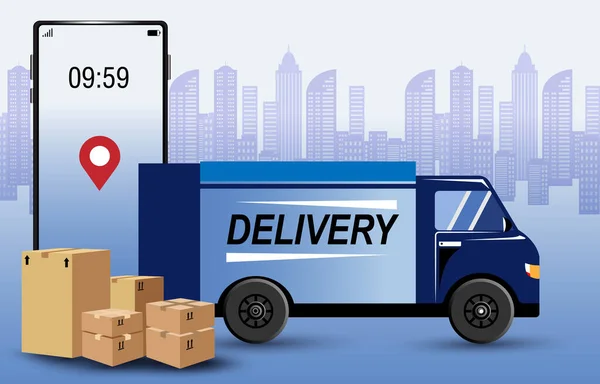
Modern shipping tracking software allows you:
- To track international shipments in a more organized manner;
- To reduce uncertainty, even if you have many parcels at the same time.
With this software, users can:
- See all active shipments in one place;
- Record status updates;
- Track the stage each parcel is at.
Thanks to this, the need to constantly manually check several tracking sites is reduced. You also maintain control over logistics, even if you are working with dozens of tracking numbers at the same time.
Single access
An important aspect is single access to tracking information. This means that users do not check each shipment separately on the websites of postal operators, but receive consolidated information in a single interface. This makes it possible to quickly:
- Identify problematic shipments;
- View status changes;
- Control the entire delivery process.
Recording shipment history
Even if the parcel has already been delivered, the movement history allows you to:
- To analyze delivery times;
- To evaluate the reliability of the carrier;
- To plan future shipments more efficiently.
Based on this data, you can make informed decisions about choosing a delivery method and managing inventory.
When the Scale Grows. Routing Software for Deliveries
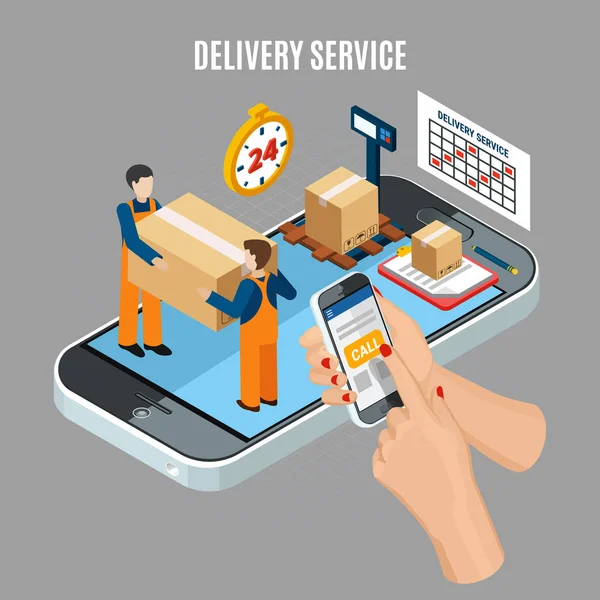
If you not only receive shipments but also organize their delivery within your business, routing software for deliveries becomes especially useful. With such systems, you can:
- Plan the movement of parcels in the warehouse;
- Organize processing and shipping;
- Ensure control over which shipments have already been processed and which are still in transit.
With routing software you can collect information from multiple tracking sources and display it in a single interface. Thus, you can see the entire chain of parcel movements from the moment of arrival at the warehouse to the transfer to the customer or local carrier.
Saving the history of routes and parcel processing is another advantage of such software. Thanks to this, you can:
- Evaluate the effectiveness of logistics processes;
- Identify recurring problems or bottlenecks;
- Adjust internal procedures.
Routing software does not replace the tracking of an international carrier such as China Post, but it helps to organize internal logistics and make it transparent. The combination of centralized control over shipment statuses and the ability to plan routes within the business allows you:
- To minimize errors;
- To reduce parcel processing time;
- To ensure stable operation of the logistics process even with a large volume of orders.
Choosing the Right Solution
When choosing the best shipment tracking software, pay attention to the following important criteria.
Data update frequency.
User-friendly interface.
Support for China Post and international partners.
Availability of a mobile version.
Analytics capabilities.
Conclusion
Managing multiple shipments through China Post can be a challenge if you do not have a clear system in place. Yet it is organization and the right tools that help turn chaos into a controllable process. Basic package tracking allows you to see the movement of each parcel. Modern shipping tracking software collects data from various sources in a single interface. So, from basic package tracking to modern shipping tracking software, every element of logistics becomes transparent and predictable. Therefore, being organized when working with China Post is not only about convenience, but also about the ability to see the whole picture of the process, make accurate decisions, and keep deliveries predictable. Even if you have more than a dozen simultaneous shipments.
Homework Chaos. Top 8 Tips to Organize A Healthy Environment
January 1, 2026

Moms and Dads can be very different depending on culture, age, economic status, and many other variables. One thing that unites all involved parents is annoyance, deep hatred, and simultaneous realization of necessity… when it comes to… HOMEWORK. Kids are different, and yet somehow homework stays a sore spot. Meanwhile, there are several questions that need answers. Catch tips to organize the so you don’t go crazy, and also make it easier on the kiddos.
- One zone = concentration
Kids are always tempted to ‘spread’ their intellectual activity all over the house. If you doubt my pov, go ahead, activate the nanny cams. You don’t even have to go through any video editing (If you do, try https://clideo.com). But one thing will be evident. Books, notes, random sheets and scraps of paper, intact and wounded pens. The list goes on and on. We all know that organized space minimizes visual clutter and sets our brains at ease. This is a similar principle. Have a designated area for homework. Even if you kid prefers to be near you while they work and you can’t stay up in their room, organize a dedicated area in the kitchen. Whatever floats your boat. Just don’t let schoolwork spill everywhere.
- Supplies visible and within reach
If getting to pencils, notebooks, and chargers requires opening multiple drawers, they won’t get put back. You KNOW I’m right. Open bins and simple containers limit the time your kid will spend on cleaning up, in other words, following through, which is one of the end goals anyway.
Organization is not only about completion, but also about limiting the ‘opportunities’ to stumble and fail. Also, limit the supplies to essentials. Color pencils for something other than drawing? Limit them to 5 instead of 30. Nobody needs that many shades to underline adjectives.
- Don’t go overboard with categories
I get overwhelmed just stepping into my son’s room, I’ll be honest. Meanwhile, I’m not alone. Too many folders. Too many labels, color codes… If it can overwhelm adults, same can be said about children. Broad categories like SCHOOL, HOMEWORK, ART PROJECTS are more than enough to easier to maintain.
Honestly, by the time I decode the color system, the homework deadline has already passed and someone is crying. Usually me. Kids don’t need a pinterest-inspired filing cabinet. Maybe accountants do. They need fewer choices, fewer rules, and a system that still works when everyone is tired, hungry, and five minutes from bedtime.
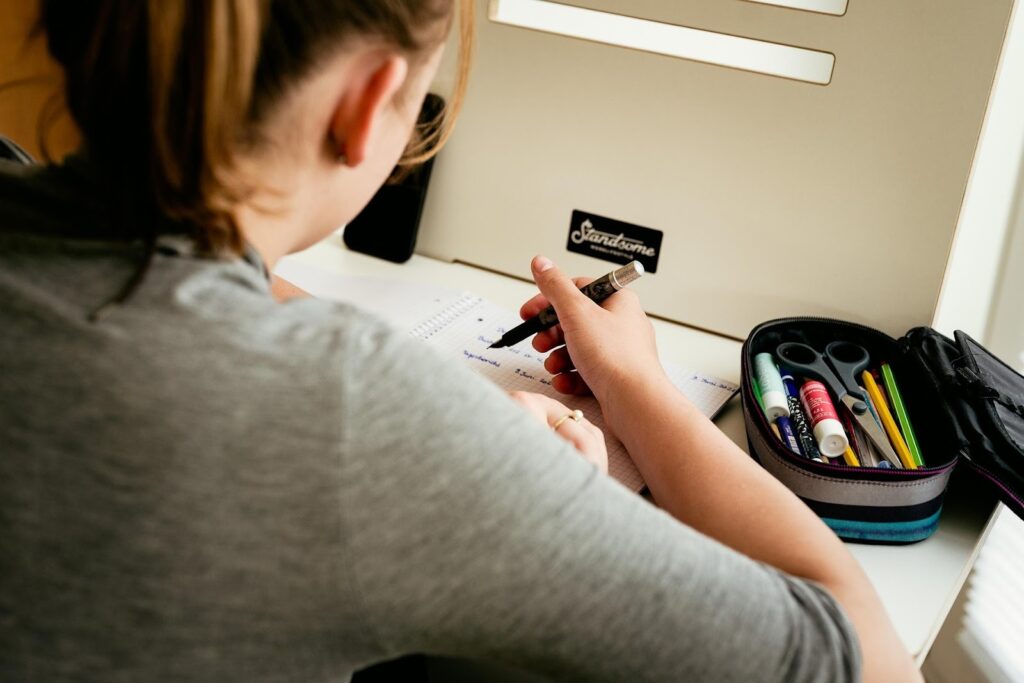
- Let ‘good enough’ be your mantra
Sometimes good enough is all we need. Not perfect, not bad. Just good enough to work. Functional, simple, doable. If you set higher-than-realistic expectations for everything you do, you’ll set yourself up to fail. Organization in itself shouldn’t be a goal. On the contrary, focus on peace of mind, control your tone, and the environment. But avoid perfect-looking solutions. Usually those are way to pricey and quite frankly, unnecessary.
- Organization follows energy, or vice versa?
Among other things, behavioral research is rather explicit on this. Psychologists and my aunt Phyllis concur that when we are fatigued compliance dwindles drastically. Systems are to be in operation during inactivity, low-energy (after school, evenings). When something is unable to be put away in less than five seconds, then it will not last in day to day use. This is when the best intentions are killed, normally between snack time and a math workbook. It is best to be optimistic to expect children to adhere to a multi-step system at 8 p.m. The cleverest solutions consider tiresomeness and inattention and still work anyway.
- Nothing more permanent than temporary
I’ll just set this paper down here and pick it up during my evening cleanup. My hands are full, what was I supposed to do? Or, the timeless classic. I’ll deal with this later. No, no, and hells no. Research on attentional drift shows that temporary piles quickly become permanent because the brain reclassifies them as background. Instead, create an official “in-progress” bin so unfinished work has a legitimate home, a place to live with a passport.
- Weekly review is better than daily
You are busy all day long. Once again, it is not realistic to think that everything will be accomplished on a daily basis. Go through the reviews, piles and papers not every day, but every week. You guys would have a chance to breathe. The check-ins daily make organization a full-time job nobody was requested to apply to. On a weekly reset, however, they are merciful. A cup of coffee and one bold look at the stack of papers and you are good to go. No whistle. No clipboard. Just survival and progress.
- Organization is support, not another test to pass or fail
Daily policing turns organization into background stress. It sits in your head like an unfinished chore, quietly judging you while you’re doing completely unrelated things, like making dinner or answering emails. Weekly reviews feel different. They’re contained. You know when they’re coming, and more importantly, when they’re over. You sit down, sort what matters, toss what doesn’t, and move on with your life. No one expects perfection, just a reset. Kids sense that shift too. Organization stops feeling like surveillance and starts feeling like maintenance. Boring, necessary, and oddly calming once it’s done.

Ultimately, having a healthy organization is not about bringing up spotlessly clean children or having a house that looks like it was featured in a catalog. It is all about creating systems that can stand the test of the real world- weary brains, hectic schedules, lost pencils and the rare emotional crisis caused by the inability to find glue sticks. Everyone can take a breath when it is an organization that supports and not controls. Homework is done, papers are located and evenings are not as of a struggle. It is not about getting it right but living long. When one system is operating on bad days, it will also work on good days. Organization must simply assist your family in operating, rather than insisting on your constant attention and compliance. When people are accommodative of systems and vice versa, homes become less stressed, gentler and much more comfortable.
Are You Antifragile? The Mindset of Gaining From Disorder (Not Just Resisting It)
November 14, 2025
Strong, resilient, antifragile – these are actually completely different concepts, and each has the potential to affect your life in a different way. Having fun is great, and you can do that on sites like Fortunica Australia. However, life is not just about having fun: you will encounter difficulties from time to time, and how you deal with them will vary depending on your mindset. You can resist change (strong), try to return to your old self after change (resilient), or try something better than both: grow stronger.
Let’s take a closer look at what this means: the antifragility mindset can be one of the most beneficial concepts for your career, relationships, well-being, and personal growth.
Where the Antifragility Concept Comes From
This is a term introduced by Nassim Taleb and first used in his book “Antifragile: Things That Gain From Disorder.” Taleb is actually a mathematical statistician who works on problems of randomness, probability, and uncertainty. During his work, he observed the following in most systems in nature:
● Bones do not break when subjected to pressure; instead, they become stronger.
● Immune systems exposed to bacteria do not collapse; instead, they become more efficient.
● Evolution, despite constantly undergoing trial and error, never ends at any stage; it keeps happening, favouring the stronger possibility.
The term antifragility is also based on these principles: it shows how growth should occur. So, it is not a concept based on “resistance” as one might think at first glance. It does not try to prevent “breakage,” but rather shows how to continue growing despite it.
Fragile vs. Resilient vs. Antifragile
To understand this better, let’s look at examples of the differences between all these terms.
| FRAGILE | Breaks or collapses |
| RESILIENT | Resists damage and tries to stay the same |
| ANTIFRAGILE | Damage or stress makes it grow stronger, just like muscles after exercise |
The key point here is that resilience focuses on survival. A resilient mindset tries to be affected as little as possible by what harms it and to return to its previous state as soon as possible. The antifragility mindset, on the other hand, seeks to benefit from damage or disorder.
Antifragility in Everyday Life
This may seem like a bold claim: who would try to benefit from a situation that negatively affects them? However, we all actually use the concept of antifragility in our daily lives; we just aren’t aware of it. If we give some examples from everyday life, you can better understand the content of this concept:
Learning to Speak in Public
Remember how you felt before speaking in front of others for the first time: you were anxious, your palms were sweating, you were under intense stress, and you were afraid of stuttering. You cannot solve these problems by avoiding public speaking. However, as you continue to do it, you gradually gain confidence, and at a certain point, you no longer feel anxious. You didn’t run away from your fear, nor did you try to resist it—you simply gained a benefit.
First Week at a New Job
When you start a new job, it’s like entering a chaotic world. Foreign systems, new faces, unknown expectations—everything seems to challenge you. But as you continue to go to work every day, slowly everything falls into place. This isn’t just adaptation: it’s the benefit you gain from your initial discomfort.
Personal Setbacks
This is perhaps the best example of the antifragility mindset. Everyone experiences things in life that don’t go as planned: sometimes a financial mistake, sometimes a job loss, sometimes a health scare. In any case, you’ve probably heard people who have experienced all these problems say, “This hardship made me who I am today.” That’s what the antifragility mindset is: the hardship you experience has increased your self-respect and caused you to reevaluate your priorities – these are the benefits you gain. They are also the things that made you a better person.
The Antifragile Mindset Shift
To shift to this mindset, you must first stop thinking that “everything should go smoothly.” Similarly, you should not think, “I cannot allow difficulties to change me.” Your mindset should be: “Whatever happens to me, there is something I can learn from it, and I can come back stronger.”
This does not mean being “fearless.” You can still be afraid, but you can also see it as an opportunity for growth. Instead of avoiding mistakes, you can start to see each mistake as a
source of knowledge. Failure is just feedback, and stressful situations are opportunities to trigger growth. You can adopt the antifragility mindset more quickly by starting to do the following in your daily life:
● Take a cold shower for one minute every day, do twenty minutes of intense exercise, and take the stairs instead of the elevator. The idea here is to build a stronger body through small discomforts, which will also help you build a stronger mind.
● Every week, do something you’ve been avoiding for any reason. This way, you decide when you are exposed to discomfort, and everything you do further boosts your confidence.
● When experiencing stress, don’t just worry; ask yourself what you can learn from it.
● Even if it makes you uncomfortable, don’t hesitate to ask for feedback. Likewise, don’t hesitate to admit when you are wrong. Try to train your mind to respond rather than react.
It is impossible to live a stress-free life: regardless of our social status, we experience countless things every day that cause us stress. Likewise, we make many mistakes: all of this is part of being human. The antifragility mindset seeks to help you gain a benefit by using these things rather than avoiding them. See your mistakes as feedback, not failures. Instead of avoiding discomfort, use it intentionally. Focus on growth rather than returning to comfort. You cannot transition to an antifragility mindset overnight: keep training your mind and body. Every challenge will bring you one step closer to this mindset.