How to Organize Your Study Space to Boost Focus and Efficiency
September 6, 2025
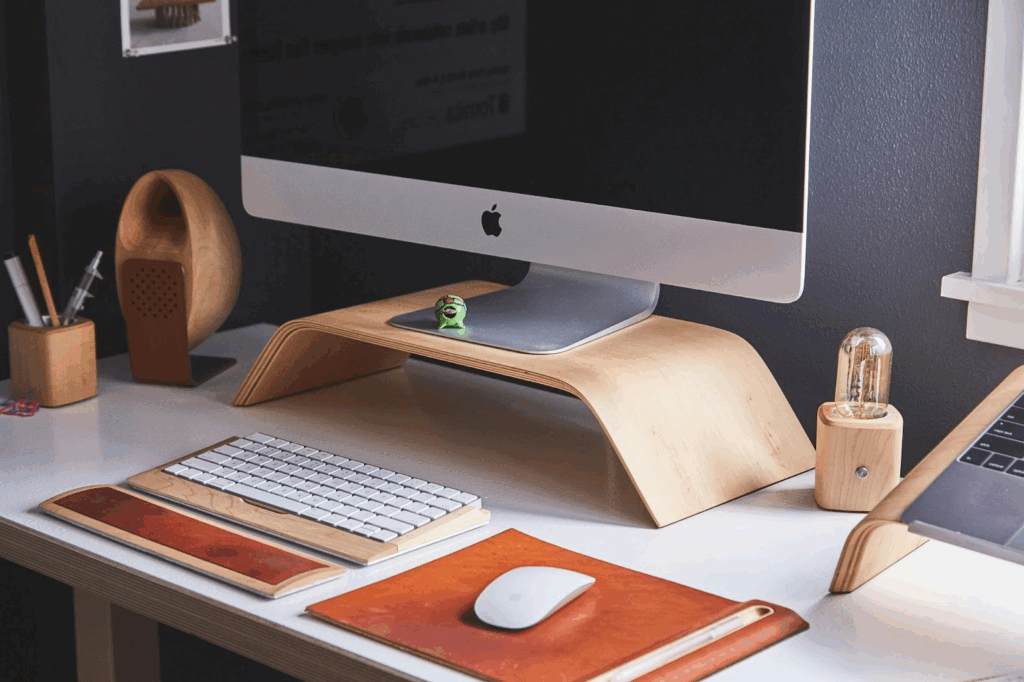
Have you ever sat down to work or study, only to feel distracted, overwhelmed, or even sleepy just by looking at your desk? You’re not alone. Many of us underestimate how much our physical environment affects our mental clarity. But here’s the good news: organizing your study space can completely transform your productivity.
Whether you’re a university student juggling lectures and assignments or a remote worker navigating the work-from-home lifestyle, creating a study space that boosts your focus and efficiency isn’t just a luxury — it’s a necessity.
Let’s dive into practical tips, simple changes, and game-changing habits that will help you build a study setup that truly works for you.
Choose the Right Location and Workflow
The first step is location — and no, the couch doesn’t count (even if it’s comfy).
Try to pick a spot where you’re less likely to be interrupted. High-traffic areas like the kitchen or living room might seem convenient, but they’re often filled with distractions. Constant movement, noise, or even the temptation of snacks can easily pull you away from your tasks.
If possible, choose a location near a window. Natural light improves mood, reduces eye strain, and helps regulate your sleep cycle. It’s like a built-in energy booster! But don’t worry if you’re stuck in a darker space — just make sure you have adequate lighting (more on that later).
Use Planning Resources
A clean desk is just the beginning — your work itself needs structure too. Using planning tools like digital calendars, to-do list apps (like Todoist or Trello), and daily planners can help you prioritize tasks, manage deadlines, and avoid last-minute chaos. For students and remote workers juggling multiple assignments or projects, outsourcing support can also be a lifesaver. Samedaypapers offer professional writing assistance — for example, their do my essay paper service can help you tackle academic overload when your schedule is packed. Whether you’re planning your week or offloading tasks to stay on track, the key is to use these tools and resources intentionally to keep your workflow smooth and stress-free.
Declutter Your Desk for Mental Clarity
Ever heard the saying, “A cluttered desk is a cluttered mind”? Well, it’s true.
Your workspace should only include the essentials — laptop, notebook, pens, water bottle, and maybe a plant or two. Remove any items that aren’t related to your task. That old pile of receipts? It’s not helping you finish that report.
Think of your desk like a cockpit — everything should be within reach, but nothing unnecessary should be in the way.
Still drowning in paper? Try scanning your notes, organizing files in folders on your computer, or using apps like Notion, Evernote, or Google Drive to keep your workspace light and tidy. Less paper, less mess, more focus.
Set Up Ergonomics for Comfort and Efficiency
Let’s face it: if your body is uncomfortable, your brain won’t cooperate either.
You don’t need to break the bank, but having a chair that supports your back and a desk at the right height can make a world of difference. Sitting for hours in a slouched position not only causes pain but also lowers energy and concentration.
Your screen should be at eye level, your feet flat on the ground, and your arms at a 90-degree angle when typing. Small adjustments can have a big impact on your comfort and productivity.
Want to change things up? A standing desk or even a stack of books under your laptop can give you the flexibility to alternate between sitting and standing. Movement = energy.
Organize for Function, Not Just Aesthetics
Sure, Pinterest-worthy desks are nice to look at, but real organization is about function over fashion.
Use Zones to Separate Activities
Create “zones” in your workspace. One area for laptop work, another for handwritten notes, and a separate corner (even a small one!) for breaks or creative thinking. This helps your brain switch modes and stay engaged.
It’s like giving your brain a map: “This is where we work. This is where we rest.” Simple, but powerful.
Storage is Key
Use drawer organizers, file holders, and trays to keep everything in place. Label things if you have to — especially if you’re prone to forgetting where you put things.
Pro tip: Don’t underestimate the power of a small shelf above your desk or a rolling cart nearby. Extra storage equals less desk clutter.
Minimize Distractions and Maximize Focus
You’ve got the setup. Now it’s time to protect it.
Digital Distractions
Let’s be real — the biggest distractions are usually on our screens. Turn off unnecessary notifications. Use apps like Forest, Cold Turkey, or FocusMe to block distracting websites. Try time-blocking your day so you’re not bouncing between tasks.
Remember: multitasking is a myth. It kills efficiency.
Physical Distractions
Noise from roommates or street traffic? Noise-canceling headphones or even simple earplugs can save your sanity. Prefer background noise? Try instrumental music, white noise, or ambient sounds (like a cozy café or light rain).
Also, keep snacks, water, and chargers nearby. Why? Because getting up 10 times an hour breaks your focus. Be prepared so you can stay in the zone.
Bonus Tips to Maintain the Habit
Once your study space is set up, the next challenge is keeping it that way. Here are a few easy habits to build:
Before you leave your desk, take five minutes to tidy up. Put things back in their place, clear out used mugs, and prep for the next day. This simple ritual helps you start fresh every morning.
Add a touch of you — a photo, a favorite quote, or a plant. It boosts comfort and makes you more likely to spend time there. But don’t overdo it — too much decoration can become a distraction.
Your Space, Your Power
At the end of the day, your study space is more than just a corner of your room — it’s your productivity zone, your focus sanctuary, and your creative lab. Organizing it isn’t just about tidiness. It’s about creating an environment that supports your goals, habits, and energy.
So, what are you waiting for? Take a look at your current setup. What can you tweak today to make it just 10% better?
Because when your environment works for you, focus becomes easier, distractions fade, and your efficiency skyrockets.
And the best part? Once you build a space that serves you well, showing up and doing the work feels a lot less like a chore — and a lot more like progress.