Homework Chaos. Top 8 Tips to Organize A Healthy Environment
January 1, 2026
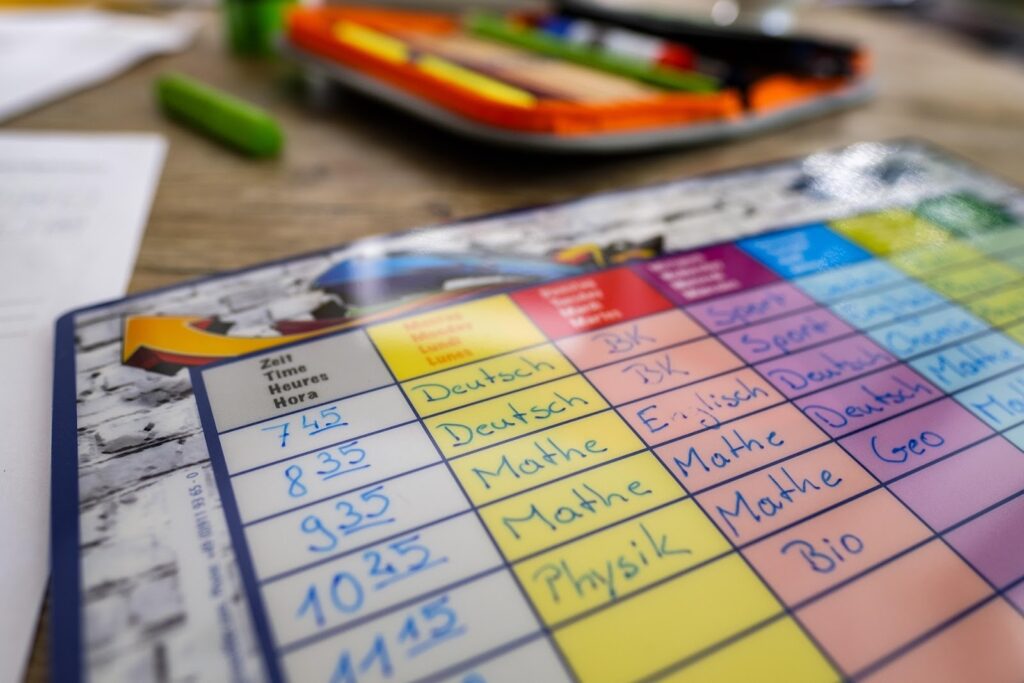
Moms and Dads can be very different depending on culture, age, economic status, and many other variables. One thing that unites all involved parents is annoyance, deep hatred, and simultaneous realization of necessity… when it comes to… HOMEWORK. Kids are different, and yet somehow homework stays a sore spot. Meanwhile, there are several questions that need answers. Catch tips to organize the so you don’t go crazy, and also make it easier on the kiddos.
- One zone = concentration
Kids are always tempted to ‘spread’ their intellectual activity all over the house. If you doubt my pov, go ahead, activate the nanny cams. You don’t even have to go through any video editing (If you do, try https://clideo.com). But one thing will be evident. Books, notes, random sheets and scraps of paper, intact and wounded pens. The list goes on and on. We all know that organized space minimizes visual clutter and sets our brains at ease. This is a similar principle. Have a designated area for homework. Even if you kid prefers to be near you while they work and you can’t stay up in their room, organize a dedicated area in the kitchen. Whatever floats your boat. Just don’t let schoolwork spill everywhere.
- Supplies visible and within reach
If getting to pencils, notebooks, and chargers requires opening multiple drawers, they won’t get put back. You KNOW I’m right. Open bins and simple containers limit the time your kid will spend on cleaning up, in other words, following through, which is one of the end goals anyway.
Organization is not only about completion, but also about limiting the ‘opportunities’ to stumble and fail. Also, limit the supplies to essentials. Color pencils for something other than drawing? Limit them to 5 instead of 30. Nobody needs that many shades to underline adjectives.
- Don’t go overboard with categories
I get overwhelmed just stepping into my son’s room, I’ll be honest. Meanwhile, I’m not alone. Too many folders. Too many labels, color codes… If it can overwhelm adults, same can be said about children. Broad categories like SCHOOL, HOMEWORK, ART PROJECTS are more than enough to easier to maintain.
Honestly, by the time I decode the color system, the homework deadline has already passed and someone is crying. Usually me. Kids don’t need a pinterest-inspired filing cabinet. Maybe accountants do. They need fewer choices, fewer rules, and a system that still works when everyone is tired, hungry, and five minutes from bedtime.
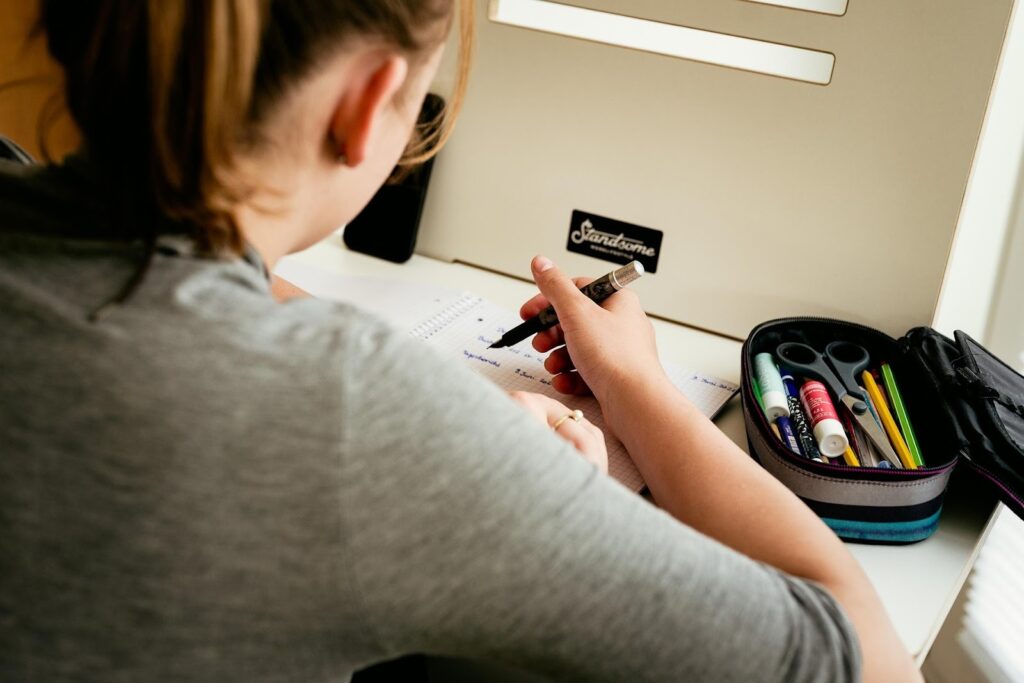
- Let ‘good enough’ be your mantra
Sometimes good enough is all we need. Not perfect, not bad. Just good enough to work. Functional, simple, doable. If you set higher-than-realistic expectations for everything you do, you’ll set yourself up to fail. Organization in itself shouldn’t be a goal. On the contrary, focus on peace of mind, control your tone, and the environment. But avoid perfect-looking solutions. Usually those are way to pricey and quite frankly, unnecessary.
- Organization follows energy, or vice versa?
Among other things, behavioral research is rather explicit on this. Psychologists and my aunt Phyllis concur that when we are fatigued compliance dwindles drastically. Systems are to be in operation during inactivity, low-energy (after school, evenings). When something is unable to be put away in less than five seconds, then it will not last in day to day use. This is when the best intentions are killed, normally between snack time and a math workbook. It is best to be optimistic to expect children to adhere to a multi-step system at 8 p.m. The cleverest solutions consider tiresomeness and inattention and still work anyway.
- Nothing more permanent than temporary
I’ll just set this paper down here and pick it up during my evening cleanup. My hands are full, what was I supposed to do? Or, the timeless classic. I’ll deal with this later. No, no, and hells no. Research on attentional drift shows that temporary piles quickly become permanent because the brain reclassifies them as background. Instead, create an official “in-progress” bin so unfinished work has a legitimate home, a place to live with a passport.
- Weekly review is better than daily
You are busy all day long. Once again, it is not realistic to think that everything will be accomplished on a daily basis. Go through the reviews, piles and papers not every day, but every week. You guys would have a chance to breathe. The check-ins daily make organization a full-time job nobody was requested to apply to. On a weekly reset, however, they are merciful. A cup of coffee and one bold look at the stack of papers and you are good to go. No whistle. No clipboard. Just survival and progress.
- Organization is support, not another test to pass or fail
Daily policing turns organization into background stress. It sits in your head like an unfinished chore, quietly judging you while you’re doing completely unrelated things, like making dinner or answering emails. Weekly reviews feel different. They’re contained. You know when they’re coming, and more importantly, when they’re over. You sit down, sort what matters, toss what doesn’t, and move on with your life. No one expects perfection, just a reset. Kids sense that shift too. Organization stops feeling like surveillance and starts feeling like maintenance. Boring, necessary, and oddly calming once it’s done.

Ultimately, having a healthy organization is not about bringing up spotlessly clean children or having a house that looks like it was featured in a catalog. It is all about creating systems that can stand the test of the real world- weary brains, hectic schedules, lost pencils and the rare emotional crisis caused by the inability to find glue sticks. Everyone can take a breath when it is an organization that supports and not controls. Homework is done, papers are located and evenings are not as of a struggle. It is not about getting it right but living long. When one system is operating on bad days, it will also work on good days. Organization must simply assist your family in operating, rather than insisting on your constant attention and compliance. When people are accommodative of systems and vice versa, homes become less stressed, gentler and much more comfortable.